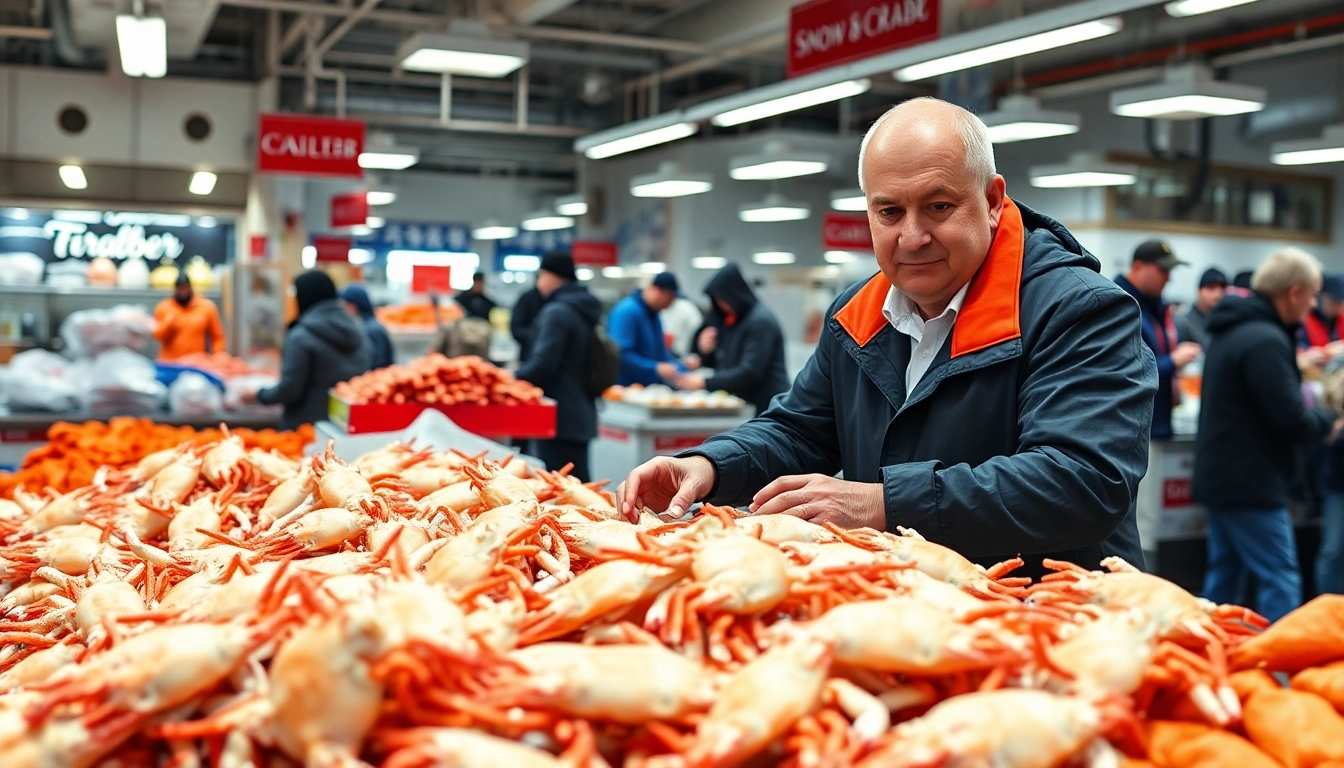
Understanding the Role of a Frozen Salmon Wholesale Supplier
The frozen salmon wholesale supplier plays a pivotal role in the seafood supply chain, acting as the bridge between fishing operations and culinary establishments such as restaurants, catering services, and retailers. Their expertise in sourcing high-quality salmon, ensuring proper handling, and maintaining optimal storage conditions is crucial for guaranteeing product freshness and safety. In a competitive market where quality and price sensitivity are paramount, aligning with a trusted Frozen salmon wholesale supplier can significantly enhance the operational efficiency and profitability of businesses dependent on seafood.
Importance of Quality in Frozen Salmon Selection
The quality of frozen salmon is of utmost importance, as it directly influences the final culinary products and customer satisfaction. High-quality salmon is characterized by its freshness, flavor, texture, and nutritional benefits. Suppliers must ensure that their fish is frozen quickly after processing to lock in its quality. This involves using flash freezing methods to maintain cellular integrity, thus providing a premium product that meets the taste and health standards of consumers. Quality standards are often enforced by certifications from relevant food safety authorities, ensuring compliance with stringent health regulations.
Key Benefits of Sourcing from Wholesale Suppliers
Partnering with wholesale suppliers provides numerous benefits. Firstly, they typically offer competitive pricing structures due to bulk purchasing capabilities, which in turn aids in maximizing profit margins for businesses. Secondly, they have established relationships with fisheries, ensuring a steady and reliable supply of fresh products. Furthermore, wholesale suppliers often provide a variety of salmon cuts and types—ranging from fillets to whole fish—catering to the diverse needs of foodservice operators. Access to expert advice on seasonal trends and consumer preferences also enhances their value proposition.
Market Trends in Frozen Salmon Supply Chain
The frozen salmon market is influenced by several trends, including sustainability and health consciousness. Consumers are increasingly looking for sustainable seafood options, prompting suppliers to adopt eco-friendly practices. This includes sourcing salmon from farms that implement responsible aquaculture practices and obtaining certifications from recognized environmental organizations. Besides sustainability, there is a growing demand for convenient and ready-to-cook salmon products as busy lifestyles drive the need for quick meal solutions. Staying abreast of these trends is essential for suppliers to align their offerings with market expectations.
How to Choose the Right Frozen Salmon Wholesale Supplier
Evaluating Supplier Credentials and Certifications
When selecting a wholesale supplier, it's essential to evaluate their certifications and credentials carefully. Look for suppliers who comply with local and international food safety standards, such as HACCP (Hazard Analysis and Critical Control Points) and FDA regulations. This ensures that the supplier not only prioritizes food safety and quality but also follows ethical practices in sourcing and processing fish. Transparency in how their salmon is sourced, processed, and stored should always be a non-negotiable factor during evaluation.
Assessing Product Quality and Freshness Standards
Investigating the quality and freshness standards of potential suppliers is crucial. Ask about their freezing methods, storage temperature, and shipping practices. Suppliers that utilize modern technology and logistics can often offer better guarantees on the quality of their frozen products. Additionally, assessing the product appearance—such as color, texture, and absence of frost—can provide insights into the handling practices of suppliers. Quality checks and product sampling during negotiations can also confirm that the supplier meets desired standards.
Analyzing Pricing and Availability
Pricing analysis should transcend simple cost comparisons. Understanding the pricing model, including discounts for bulk orders, is vital. A thorough examination of their availability can help businesses determine if a supplier can consistently meet demand without disruptions. Trends in price fluctuation related to seasonality should also be assessed, as this can impact budgeting for procurement. Suppliers providing price lock guarantees might be particularly advantageous for budget-conscious businesses.
Best Practices for Purchasing Frozen Salmon in Bulk
Strategizing Inventory Management for Frozen Products
Effective inventory management is critical when dealing with frozen products. Businesses should implement inventory tracking systems that monitor stock levels, expiry dates, and storage conditions. Utilizing First-In-First-Out (FIFO) methodology can prevent food wastage and ensure the freshest products are used first. In collaboration with suppliers, establishing reorder points based on product movement analytics can assist businesses in maintaining optimal stock levels, thus preventing supply disruptions and ensuring product freshness.
Understanding Packaging and Delivery Options
Delivery logistics play a vital role in maintaining the integrity of frozen products. Understanding the packaging solutions used by suppliers is crucial; vacuum-sealed options are generally preferred as they reduce exposure to air and moisture. Additionally, evaluating delivery methods and timelines can aid in ensuring that products arrive in optimal condition. Collaborating with suppliers to establish reliable delivery schedules can bolster the supply chain process and enhance product quality upon receipt.
Seasonal Sales Trends and Their Impact
Being aware of seasonal sales trends can significantly influence purchasing strategies. Understanding peak seasons for frozen salmon can lead to better pricing, as some suppliers may offer discounts during lull periods. Tailoring promotions and menu offerings during high-demand seasons, such as summer grilling or holiday seasons, can also enhance customer engagement. Utilizing data analytics to track past sales performance can offer insights into future trends, aiding inventory decisions and marketing strategies.
Common Challenges When Working with Frozen Salmon Wholesale Suppliers
Addressing Supply Chain Disruptions
Supply chain disruptions can arise due to various factors such as unpredictable weather, regulatory changes, and logistical failures. Establishing a good relationship with multiple suppliers can minimize the impact of disruptions and provide alternatives in the event of supply shortages. Regularly monitoring supply chain metrics can help identify potential issues before they escalate, facilitating more effective planning and response strategies.
Managing Quality Control Issues
Quality control issues may arise at different stages, from sourcing to delivery. Implementing regular audits and quality checks, alongside staff training on quality standards, can help mitigate these problems. Encouraging open communication between suppliers and businesses ensures that any discrepancies are addressed promptly, maintaining the overall integrity of the product. It may also be beneficial to have a return policy or compensation agreement in place for subpar products.
Navigating Price Fluctuations and Cost Management
Price fluctuations are common in seafood markets, influenced by supply conditions, demand, and environmental factors. Businesses should consider forecast models to prepare for potential price increases and establish fixed-price contracts with suppliers for long-term cost management. Additionally, diversifying the range of purchased products can lower the risk of over-reliance on specific suppliers or market conditions.
Frequently Asked Questions About Frozen Salmon Wholesale Suppliers
What should I look for in a wholesale supplier?
Look for suppliers with strong credentials, quality certifications, a variety of products, and reliability in shipping and handling to ensure consistent quality and availability.
Are there minimum order quantities for frozen salmon?
Most wholesale suppliers have minimum order quantities that vary based on their policies and product type, often intended to ensure cost-effectiveness for both parties.
Can I customize my order with specific salmon types?
Many wholesale suppliers allow customization of orders, enabling customers to select specific salmon types, sizes, and cuts based on their business needs and preferences.
How is the frozen salmon packaged for shipping?
Frozen salmon is typically vacuum-sealed and packed in insulated boxes with dry ice or gel packs to maintain the necessary temperature during shipping.
What are the benefits of buying frozen over fresh salmon?
Frozen salmon retains its nutritional quality longer, offers greater convenience in storage, and prevents spoilage, making it a practical choice for many food businesses.