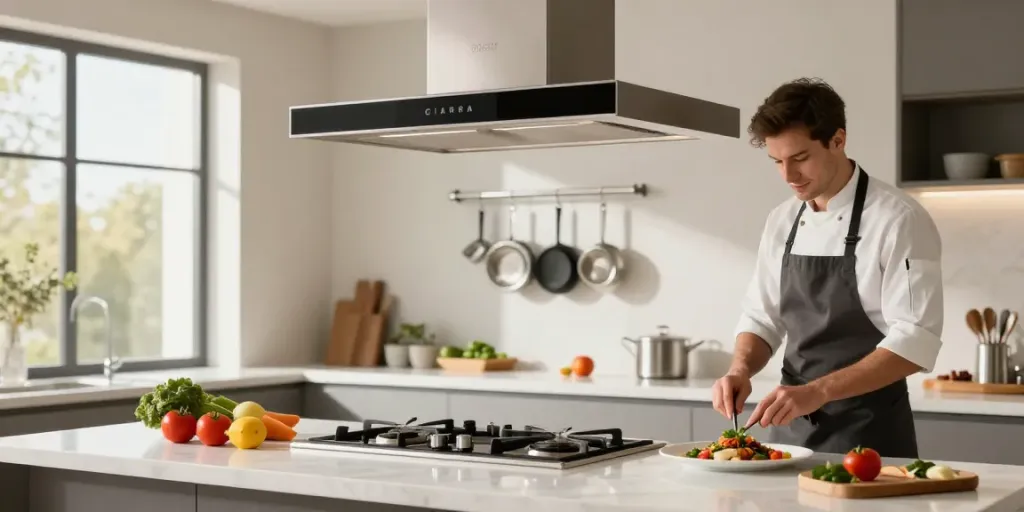
Understanding Cooker Hoods
Cooker hoods are essential kitchen appliances that serve a vital purpose in maintaining a clean and pleasant cooking environment. While often overlooked, their role is crucial in eliminating odors, smoke, and airborne grease particles created during cooking. In 2026, technology has advanced even further, making modern cooker hoods more effective and efficient. When exploring options, cooker hood models offer a variety of features that cater to diverse culinary needs and kitchen designs.
What is a Cooker Hood?
A cooker hood, also known as a range hood or extractor hood, is a device designed to ventilate cooking areas. Typically situated above the stove or cooktop, it uses a mechanical fan to extract airborne grease, fumes, smoke, and odors from the kitchen. Depending on the design, some cooker hoods can either vent air outside or recirculate it back into the kitchen after filtering.
Types of Cooker Hoods: Pros and Cons
- Vented Cooker Hoods: These models exhaust air outside, making them highly effective in removing odors and contaminants. However, they require ductwork, which can complicate installation.
- Recirculating Cooker Hoods: These hoods filter air through charcoal filters, allowing for indoor re-release of air after cleaning. They are easier to install since ducting is unnecessary, but they may not be as effective as vented systems.
How Cooker Hoods Improve Kitchen Air Quality
Improving air quality in the kitchen is crucial to maintaining a healthy home. Cooker hoods help reduce the concentration of indoor pollutants and can significantly lower the risk of respiratory issues. By effectively removing smoke, steam, and odors, a cooker hood contributes to a more pleasant cooking experience and can even prevent the buildup of grease on kitchen surfaces.
Choosing the Right Cooker Hood for Your Kitchen
Selecting the appropriate cooker hood is a fundamental step in creating a functional kitchen design. Numerous factors come into play when making this choice, including size, type, and energy efficiency.
Size Matters: 60cm vs 90cm Cooker Hood
The size of your cooker hood should correlate with your range or cooktop. A 60cm cooker hood is ideal for compact kitchens or smaller cooktops, while a 90cm option suits larger cooking areas. Additionally, choosing the right size ensures optimal airflow and extraction rates, enhancing cooking efficiency.
Recirculating vs Vented Cooker Hoods: What's Best?
The choice between recirculating and vented cooker hoods often hinges on individual kitchen layouts and preferences. Vented hoods are preferred for their superior air purification capabilities, especially in homes where cooking generates plenty of smoke. Conversely, recirculating hoods are advantageous for apartment dwellers or homes without external venting options, though they require frequent filter replacements.
Expert Tips for Selecting Energy-Efficient Models
As energy efficiency becomes increasingly important, choosing a model rated A+ or higher can lead to significant savings on energy bills. Look for features such as LED lighting and energy-efficient motors that reduce electricity consumption while maintaining powerful suction capabilities.
Installation and Maintenance Tips
Proper installation and regular maintenance are critical to ensuring the longevity and effectiveness of your cooker hood. Different models may have specific requirements, but there are general guidelines applicable across the board.
How to Properly Install Your Cooker Hood
Installation typically involves aligning the cooker hood with the cooktop and securing it to the wall or cabinets. Follow the manufacturer's instructions to ensure safe and effective operation, and consider hiring a professional for complicated installations, especially for vented models that require ducting.
Maintenance Tips for Longevity
Regular maintenance helps extend the lifespan of your cooker hood. Clean or replace filters according to the manufacturer's recommendations. Frequent cleaning of grease traps and exterior surfaces can prevent buildup and ensure the hood operates efficiently.
Troubleshooting Common Cooker Hood Problems
Common issues include low suction power, abnormal noises, or failure to turn on. Many of these problems can be resolved by checking filter blockages, ensuring the hood is properly connected to power, or cleaning the internal components. If problems persist, consulting with a professional may be necessary.
Innovative Features in Modern Cooker Hoods
Modern cooker hoods are equipped with various features that enhance functionality, making them more user-friendly and efficient than ever before.
Smart Controls: WiFi and App Compatibility
Many contemporary models now offer smart controls, allowing users to operate their cooker hoods remotely via apps. This feature adds convenience, enabling users to turn on and off the hood or adjust settings even when they are away from the kitchen.
Noise Levels: What to Expect from Your Cooker Hood
Noise levels can vary significantly among cooker hood models. Quiet operation is increasingly sought after, with many hoods now designed to operate at lower decibels while maintaining high extraction rates. When choosing a model, consider noise ratings that align with your preferences for a peaceful cooking environment.
Advanced Filtration Systems Explained
Efficient filtration systems are crucial for the performance of any cooker hood. Look for hoods equipped with multi-layer filters that can capture a broad range of particles and odors. Some advanced models even use innovative technologies like activated carbon filters for enhanced purification.
Future Trends in Cooker Hoods for 2026
As we progress further into 2026, several trends are shaping the future of cooker hoods, reflecting advancements in technology and consumer preferences.
Eco-Friendly Materials and Designs
With growing environmental concerns, manufacturers are increasingly opting for eco-friendly materials in the production of cooker hoods. This shift towards sustainability not only benefits the environment but also appeals to environmentally conscious consumers looking to minimize their carbon footprint.
Integration with Smart Home Systems
Integration with other smart home devices is becoming standard. This allows cooker hoods to work alongside other appliances, enhancing overall kitchen efficiency and convenience.
Emerging Technologies to Watch
The incorporation of AI and machine learning in cooker hood technology is on the rise. These innovations promise to optimize performance based on cooking habits and environmental conditions, further enhancing the user experience.