Introduction to Screen-Free Play
In our technology-driven world, children are increasingly exposed to screens from a young age. While digital devices can offer educational value, it is vital to cultivate a balance between screen time and traditional forms of play. Screen-free play fosters creativity, strengthens relationships, and allows kids to engage in various activities that enhance their overall development. For ideas on engaging toys and play activities, be sure to visit the website.
The Importance of Screen-Free Activities
Screen-free activities are vital for children to engage their senses and creativity in ways that digital experiences cannot provide. Engaging with toys and activities that stimulate the imagination not only enhances cognitive development but also contributes to emotional well-being. Screen-free play typically leads to improved problem-solving skills and better social interactions as children learn to express themselves without relying on technology.
Benefits of Fine Motor Skill Development
One of the significant advantages of screen-free play is its impact on fine motor skill development. Fine motor skills involve the use of small muscles in the hands and fingers to perform tasks such as writing, drawing, and manipulating objects. Activities like building with blocks, engaging in arts and crafts, or playing with small toys enhance coordination and dexterity. By honing these skills, children are better prepared for academic tasks as they progress in their educational journey.
Creative Play Ideas Beyond Screens
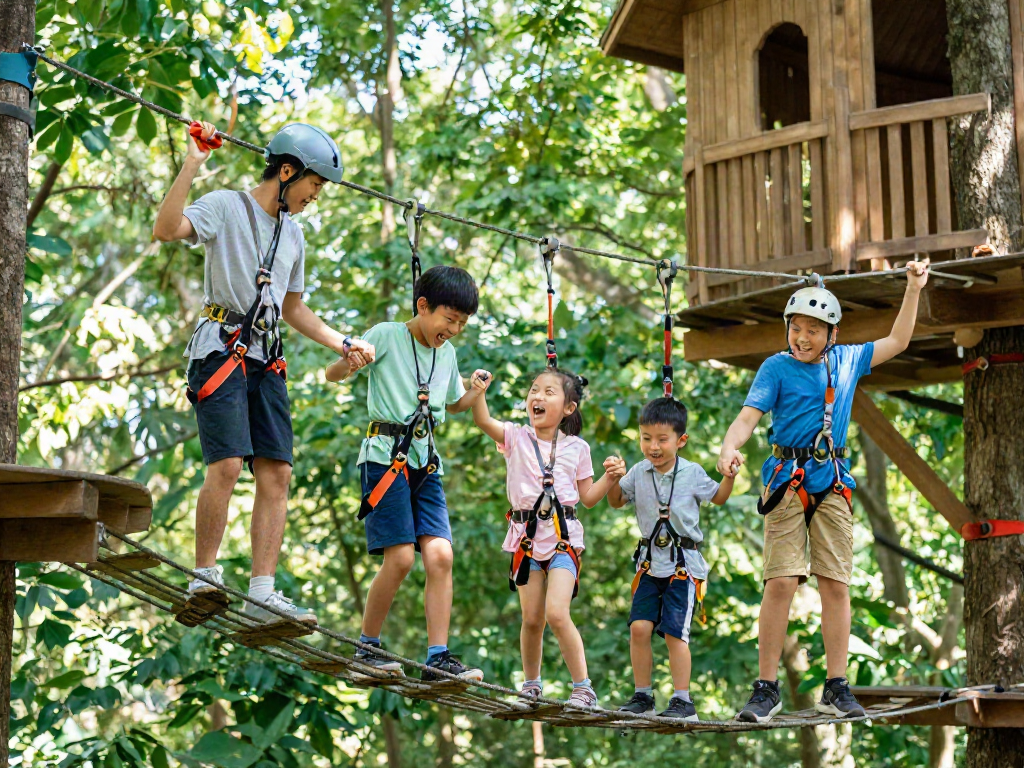
To maximize the benefits of screen-free play, parents can introduce a variety of creative activities. Consider role-playing games that allow children to immerse themselves in different characters, or sensory activities that engage them through touch and exploration. Outdoor play initiatives, such as scavenger hunts or nature crafts, provide great opportunities for imaginative engagement and are an excellent way to connect with nature.
Top Picks for Screen-Free Toys
Building Sets that Encourage Imagination
Building sets such as blocks, magnetic tiles, and construction kits are quintessential screen-free toys that significantly boost creative play. They encourage children to visualize and construct structures limited only by their imagination. When children build, they develop spatial awareness, problem-solving skills, and resilience as they work through challenges to bring their ideas to life.
Craft Kits for Young Artists
Craft kits are another excellent way to engage children in screen-free play. These kits not only foster creativity but also promote fine motor skills through activities like cutting, gluing, and coloring. Whether it’s painting, jewelry-making, or model-building, craft kits provide structured opportunities for kids to express themselves artistically while reaping developmental benefits.
Outdoor Toys to Stimulate Active Play
Outdoor toys such as bicycles, tricycles, jump ropes, and balls encourage children to move, explore, and socialize outside. Physical activities contribute significantly to health and fitness, improving cardiovascular health, coordination, and overall endurance. Additionally, outdoor play allows for the development of social skills as children engage with peers, learn teamwork, and understand social dynamics through shared experiences.
DIY Screen-Free Play Ideas
A Simple Guide to Homemade Toys
Creating homemade toys can be a fun, budget-friendly alternative to store-bought options. Simple items such as cardboard boxes can be transformed into playhouses, spaceships, or castles with just a little creativity. Homestyle projects encourage children to use their imagination while fostering a sense of ownership and pride in their creations.
Crafting Activities Using Household Items
Household items often make great crafting supplies. Empty containers, paper towel rolls, and fabric scraps can be repurposed into innovative crafts. Activities may include building structures from recycled materials or designing unique art pieces. These types of projects help to cultivate resourcefulness and creativity in children while also promoting environmental awareness.
Engaging Games That Require No Screens
There are countless engaging games that children can participate in without screens. Classic options like charades, hide-and-seek, or scavenger hunts can stimulate imagination and critical thinking skills. These games often require minimal setup and can be adapted to different age groups, making them versatile additions to any family's playtime repertoire.

Tips for Encouraging Screen-Free Play
Setting Up a Screen-Free Environment
Creating an appealing space dedicated to screen-free play can motivate children to engage in non-digital activities. Use brightly colored bins to organize toys, arts and crafts supplies, and outdoor play materials. A visually appealing environment encourages children to explore and discover new activities independently.
Establishing a Routine for Playtime
Integrate screen-free time into your family’s daily routine by setting specific hours for play. Establishing consistent time slots helps children anticipate and look forward to their play activities. This routine promotes a healthy balance between screen time and meaningful engagement in play.
Involving Kids in Activity Choices
Involving children in selecting their play activities fosters a sense of agency and responsibility for their choices. Encourage them to explore different types of toys and activities, guiding them toward new experiences while allowing them to express their preferences. This involvement enhances their engagement and enthusiasm toward screen-free play.
How to Evaluate Screen-Free Toys
Safety Considerations to Keep in Mind
When evaluating screen-free toys, safety must be the top priority. Ensure the toys are age-appropriate with no small parts that could pose choking hazards. Always check for non-toxic materials and leading safety marks to assure parents that the toys are safe for use. Knowledge of material safety standards can help in making informed choices.
Assessing Educational Value in Toys
Toys that provide educational value can aid in children’s cognitive and social development. Look for toys that promote problem-solving, creativity, and teamwork skills. For example, construction sets improve spatial reasoning, while board games enhance critical thinking and communication. Assess whether the toy encourages active participation and learning.
Longevity and Replay Value of Toys
Investing in toys with high replay value ensures long-lasting engagement. Consider whether the toy can support various play scenarios or adapt to changing interests. Multi-purpose toys that evolve with a child's age and skills are likely to provide years of enjoyment as they can be used in diverse ways, thus justifying the investment.
Frequently Asked Questions
Why are screen-free toys important for kids?
Screen-free toys encourage creativity, improve fine motor skills, and promote social interactions, which are vital for child development.
What are some examples of great building toys?
Building blocks, magnetic tiles, and construction kits are excellent choices that foster imagination and engineering skills in children.
How can I introduce DIY crafts for my kids?
Start with simple materials like paper, pencil, and glue. Encourage kids to let their imagination run wild with easy, guided projects.
What should I look for when buying toys?
Prioritize safety, educational value, and replay potential. Ensure the toy is age-appropriate and encourages creativity and engagement.
How do I create a routine for screen-free play?
Set specific playtime slots, rotate toys to maintain interest, and introduce new activities gradually to keep children engaged and excited.