The Importance of Screen-Free Playtime
In a world where screens dominate our everyday lives, encouraging children to engage in screen-free playtime is essential for healthy development. The allure of video games, tablets, and television often overshadows the myriad benefits of traditional play. It is through unstructured, imaginative play that children learn critical life skills, ranging from physical coordination to emotional intelligence. To explore more about encouraging play without screens, visit the website.
Benefits for Child Development
Screen-free playtime presents numerous developmental advantages for children. It fosters cognitive growth, enhances social skills, and builds fine motor capabilities. Here are several key benefits:
- Cognitive Skills: Engaging in creative play encourages children to think critically and solve problems. Using toys like building blocks or art supplies allows them to experiment with concepts such as balance, gravity, and structure.
- Social Skills: Group play promotes teamwork, negotiation, and communication, essential social skills that children utilize throughout their lives. They learn to share, take turns, and understand different perspectives.
- Emotional Intelligence: Screen-free play allows children to express feelings through role-play, which can help them understand and manage their emotions better. This fun form of expression fosters empathy and self-awareness as they navigate various scenarios.
- Physical Development: Many screen-free play ideas involve physical activity, which is vital for children’s overall health. Gross and fine motor skills are enhanced when children engage in activities that require coordination, such as running, jumping, or manipulating small objects.
Reducing Screen Time Effectively
Reducing screen time starts by creating a balanced environment that prioritizes healthy play. Here are some strategies to effectively limit screens:
- Set Clear Boundaries: Establish daily limits for screen use, ensuring that children know when it’s time to turn off devices. Consider a screen-free day each week to encourage alternative activities.
- Create a Playful Atmosphere: Design a dedicated play space where engaging toys are readily available, making it easier for children to gravitate towards them instead of screens.
- Lead by Example: Model screen-free behavior. Participate in engaging activities alongside your children to demonstrate the joys of play without screens.
- Encourage Active Alternatives: Provide a variety of screen-free options, offering everything from arts and crafts to outdoor activities. This variety keeps children engaged and excited about non-digital play.
Encouraging Creative Thinking
Creative thinking is at the heart of childhood exploration and learning. Fostering an environment that encourages imaginative ideas can be done effectively through:
- Open-Ended Play: Provide materials that can be used in multiple ways, such as blocks, fabric scraps, or art supplies, stimulating children’s creativity.
- Imaginative Role-Play: Encourage children to create stories and characters, enhancing their ability to think outside the box while developing narrative skills.
- Challenge Their Creativity: Offer prompts or themes that inspire children to invent their own games or solutions. This can lead to unique creations and innovative thinking.
Top Picks for Fine Motor Skill Builders
Fine motor skills are crucial for children as they develop and grow. Toys that encourage the manipulation of small objects can significantly enhance these skills. Here are some top picks:
Classic Wooden Toys
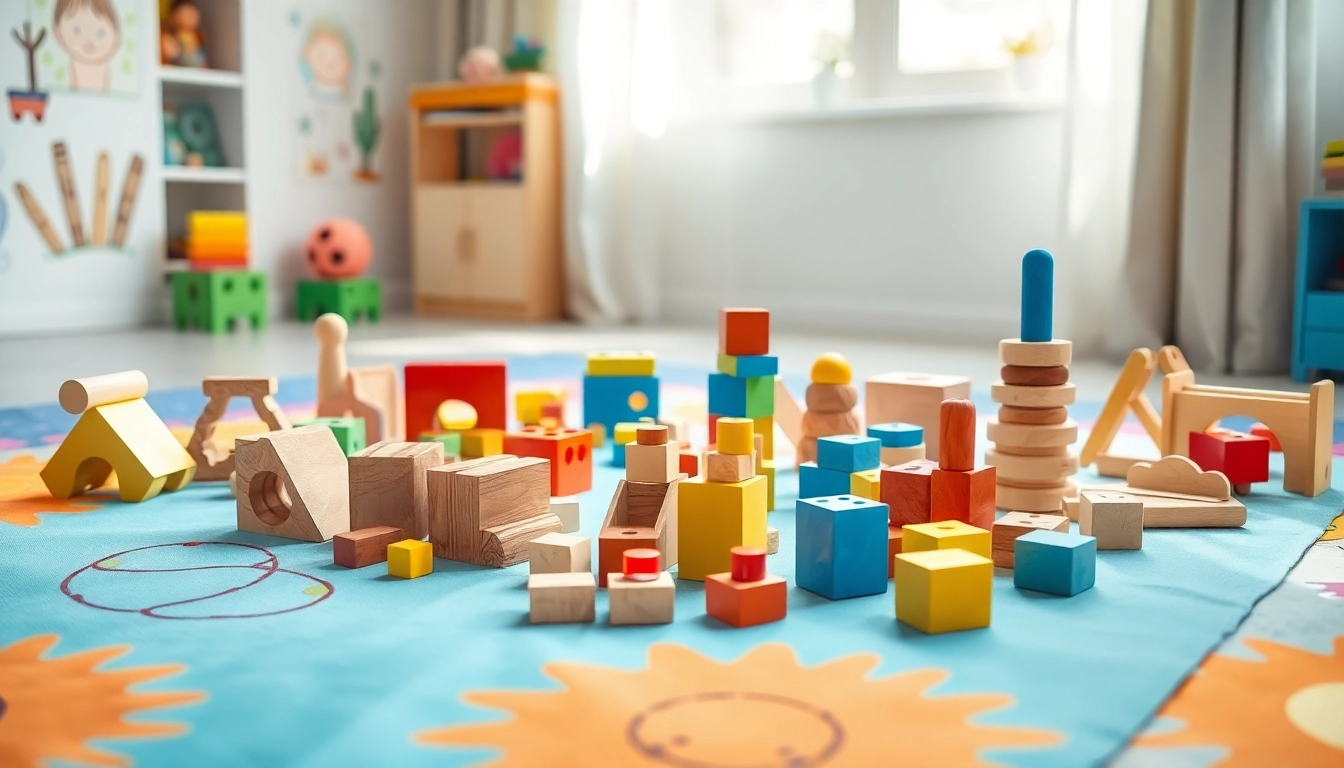
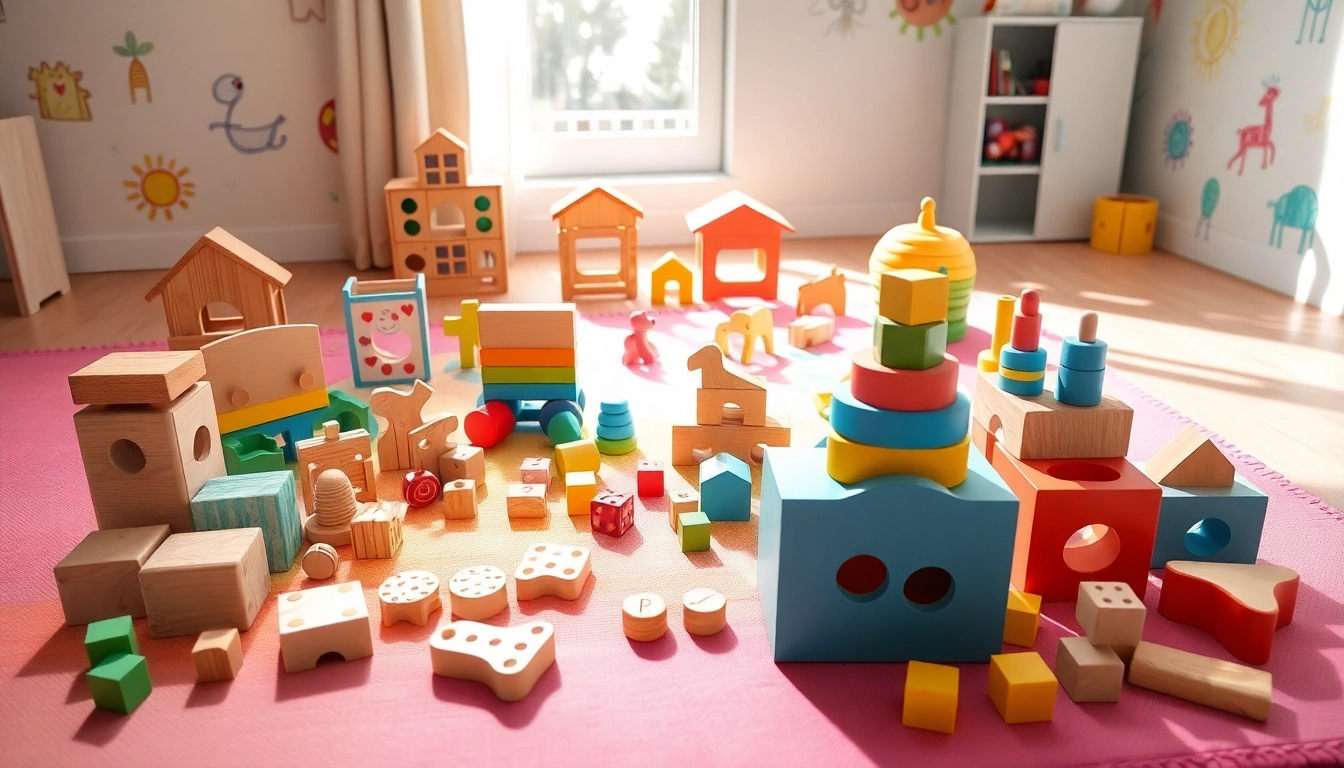
Wooden toys have long been favored for their durability, safety, and timeless appeal. Toys such as stacking rings, shape sorters, and building blocks require children to use their hands in precise ways, promoting essential muscle control and coordination. Furthermore, wooden toys often feature vibrant colors and textures that stimulate sensory exploration.
Innovative Puzzles for Problem Solving
Puzzles are excellent tools for developing spatial awareness and cognitive reasoning. Look for options that challenge children to complete a picture while enhancing fine motor functions. Wooden puzzles with knobs, jigsaw pieces, or 3D models can all offer varied levels of difficulty, catering to different ages and abilities.
Craft Kits That Encourage Hands-On Learning
Craft kits introduce children to various materials and techniques, sparking their creativity and providing endless opportunities for fine motor skill development. Kits that involve sewing, beading, or modeling with clay encourage precise hand movements, concentration, and planning.
- Beading Kits: Allow children to create jewelry or artwork, honing their dexterity and hand-eye coordination.
- Modeling Clay: Offers endless possibilities for creative expression while strengthening hand muscles.
Children not only have fun but also develop crucial life skills through crafting.
Exciting Play Ideas Without Screens
Engaging children in imaginative play is vital for their development. Here are some exciting screen-free play ideas:
Imaginative Role-Playing Games
Role-playing games are an excellent way for children to tour new worlds and scenarios. They can become anything from a courageous knight to a wise scientist. These imaginative experiences cultivate creativity, foster empathy, and facilitate language development. Encourage the use of costumes, props, and storytelling to enhance the experience.
Outdoor Activities that Engage the Mind
The great outdoors is a treasure trove of exploration and adventure. Activities such as scavenger hunts, nature walks, or even gardening can be both educational and enjoyable. Encourage children to observe their surroundings, identify plants and animals, and engage in physical activities that promote well-being.
Group Games for Social Skills Development
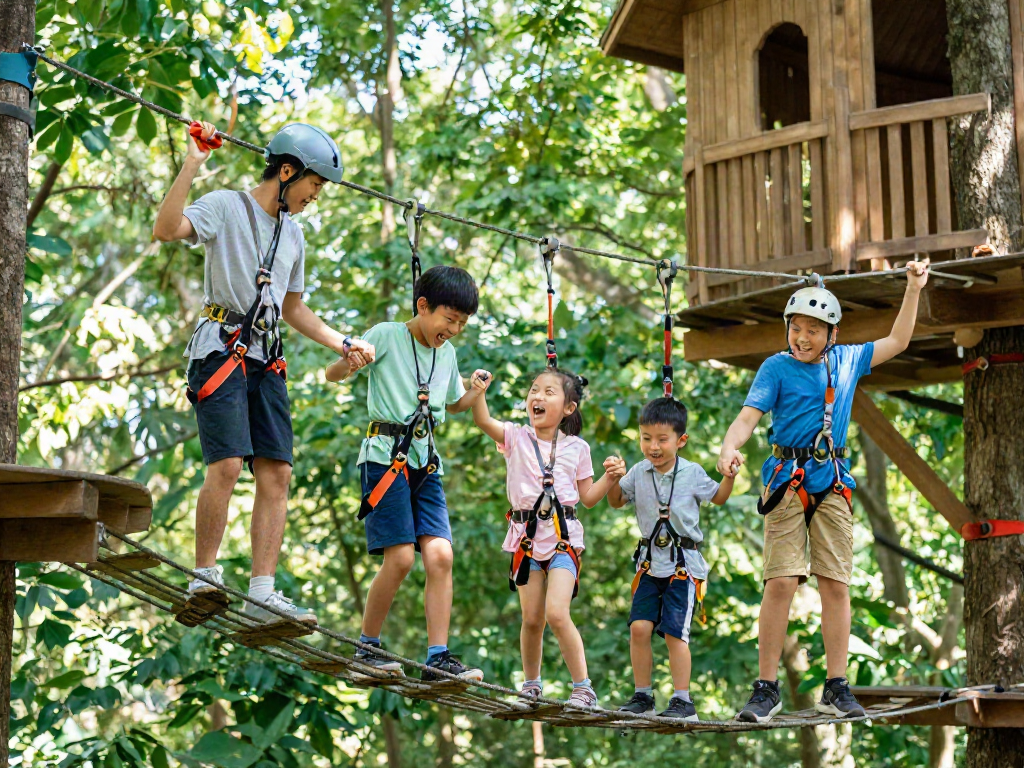
Group games are perfect for enhancing social interactions. Organizing cooperative games such as relay races, hide and seek, or team-based challenges allows children to practice teamwork, communication, and conflict resolution. Not only do these activities build social skills, but they also create lasting friendships.
Tips for Selecting the Right Toys
Choosing appropriate toys is crucial for enhancing children’s learning experiences. Here are some tips for selecting the right screen-free toys:
Age-Appropriate Choices for Different Developmental Stages
Select toys that are suitable for your child’s age and developmental level. Young children benefit from simple toys like stacking blocks, while older kids may enjoy complex puzzles and craft kits. Always check recommended age labels to ensure safety.
Eco-Friendly Materials and Safety Standards
Prioritize toys made from eco-friendly materials. Look for options made from responsibly sourced wood, organic fabrics, and non-toxic paints. Additionally, ensure that toys comply with safety standards to minimize risks of hazards.
Balancing Fun and Educational Value
Strive to find toys that strike a balance between entertainment and education. Toys that inspire creativity while imparting knowledge create enriching experiences for children. For instance, toys that involve construction techniques or scientific exploration foster curiosity and learning.
Frequently Asked Questions
What are screen-free toys?
Screen-free toys are particularly designed to engage children’s imagination and creativity without screens, promoting hands-on play.
Why is screen-free playtime important?
Screen-free playtime is critically essential for cognitive and social development, allowing children to explore and enhance fine motor skills.
How can I encourage my child to play with toys instead of screens?
Creating a vibrant play area, regularly introducing new toys, and participating in playtime can significantly boost screen-free activity engagement.
What types of toys are best for fine motor skills?
Toys such as building blocks, puzzles, and craft kits that necessitate manipulation can greatly enhance fine motor skills in children.
How do I choose eco-friendly screen-free toys?
Opt for materials like wood and non-toxic paint and look for reputable safety certifications to ensure your toys are environmentally friendly.