Understanding House Washing
What is House Washing?
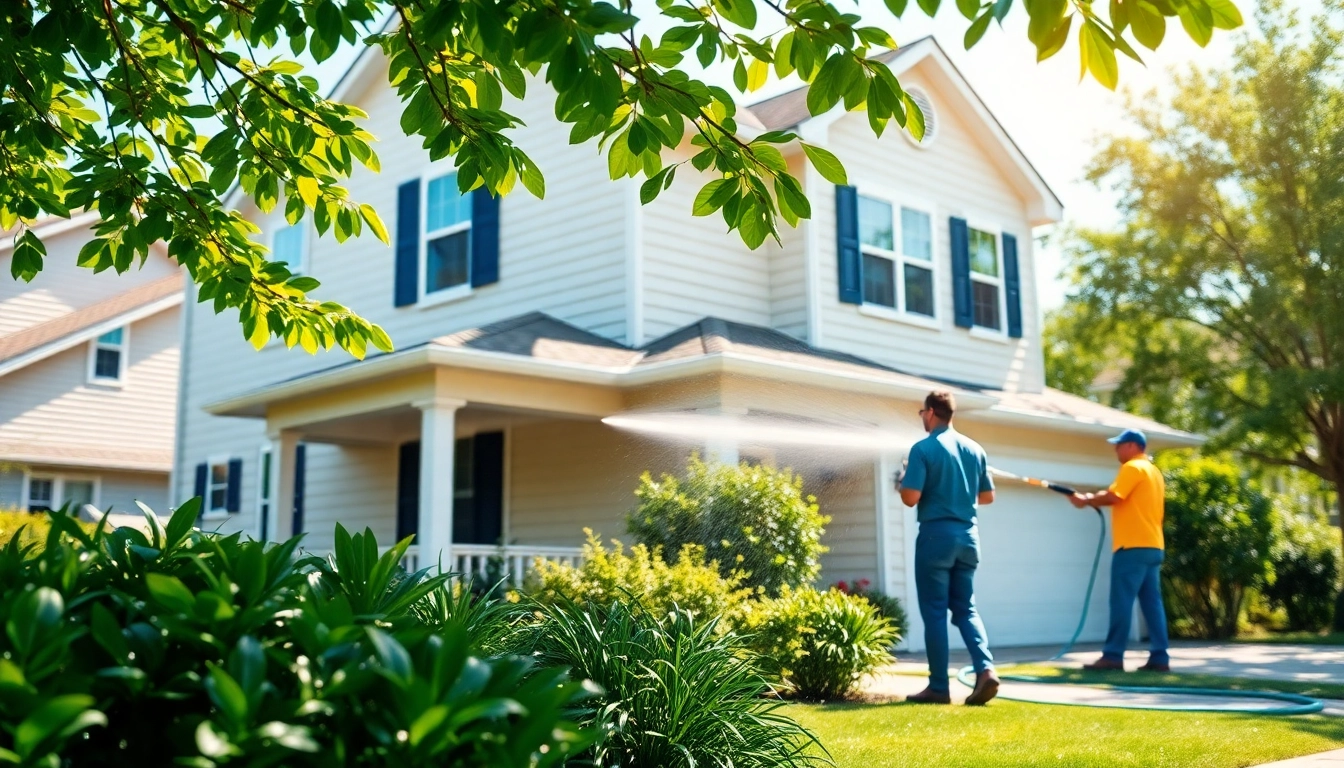
House washing refers to the process of cleaning the exterior surfaces of a home, which includes removing dirt, mold, mildew, algae, and other types of buildup that can accumulate over time. This not only enhances the appearance of the house but also contributes to its longevity and maintenance. The cleaning process can employ different techniques, mainly soft washing and pressure washing, each varying in method and application to effectively cater to different surface materials and conditions. For a detailed understanding of the significance of regular cleaning, consider exploring House Washing.
Benefits of House Washing
House washing offers several advantages, including:
- Enhanced Curb Appeal: Clean homes look more inviting and well-maintained, increasing their aesthetic value.
- Prevention of Damage: Environmental factors like mold and algae can degrade exterior materials. Regular washing prevents costly repairs.
- Healthier Living Environment: Algae and mildew can cause respiratory issues. Maintaining cleanliness minimizes health risks.
- Increased Property Value: A well-preserved home can command a higher price in real estate markets.
Common Misconceptions
Despite its importance, house washing is often surrounded by myths, such as:
- It’s Just for Looks: Many believe that cleaning is merely cosmetic, while it actually protects home materials.
- DIY is Just as Effective: Without skills or appropriate equipment, DIY washing can lead to damage or ineffective cleaning.
- It’s an Unnecessary Expense: Proper maintenance including washing can extend the lifespan of siding and roofs, saving future costs.
Types of House Washing Services
Soft Washing Explained
Soft washing is a technique that utilizes low-pressure water combined with biodegradable cleaning solutions. This method is ideal for delicate surfaces such as roof shingles and painted siding. It effectively eliminates organic growth without damaging the materials. Soft washing can often achieve results that rivals those of pressure washing while also being safe for your landscaping and home surfaces.
Pressure Washing Overview
Pressure washing, in contrast, uses high-pressure water jets to remove tough grime, dirt, and stains. It is suitable for hard surfaces such as concrete and brick. However, caution is essential, as excessive pressure can damage softer materials, which is why assessing surface material before employing this technique is crucial. Professional services typically evaluate the appropriate pressure setting needed for each surface type.
Choosing the Right Method
Determining the best washing method depends on several factors, including:
- Surface Material: Softer surfaces like wood or painted areas typically require soft washing.
- Extent of Cleaning Needed: Heavily soiled areas may benefit from pressure washing.
- Environmental Considerations: Be mindful of plants and landscaping that may be sensitive to strong chemicals or high-pressure water.
Preparing Your Home for House Washing
Pre-Wash Outdoor Setup
Preparation is key to effective house washing. Before initiating the washing process, homeowners should:
- Clear outdoor furniture, potted plants, and any obstructions from the vicinity of the home.
- Identify and cover any sensitive areas, such as electrical outlets and light fixtures.
- Ensure windows and doors are shut properly to prevent water damage inside.
Securing Windows and Doors
Before any washing begins, check for loose shingles, paint peeling, and caulking. Fix any problems to avoid water penetration that could result in mold issues. Also, applying window film or plastic covers can prevent potential damage from splashing water.
Safety Precautions to Consider
Safety should never be overlooked when house washing. Important precautions include:
- Wearing safety gear like goggles and gloves to protect against chemicals and debris.
- Being aware of electrical hazards, especially near outdoor outlets.
- Using ladders safely if higher areas such as second stories need attention.
Post-Wash Care and Maintenance
Assessing Your Home’s Exterior
Once the house washing is completed, homeowners should assess the exterior for any missed areas or potential damage caused during the washing. It's important to note any areas that might require touch-ups or further maintenance.
Ongoing Maintenance Tips
To maintain a clean exterior between washes, consider implementing the following practices:
- Regularly inspect your home for signs of mold and dirt accumulation.
- Clean your gutters to prevent overflow that can contribute to roof damage and leaks.
- Schedule professional washing based on geographic location and environmental conditions—generally, once a year is beneficial.
Signs You Need to Wash Again
Occasionally, you may need to wash your house sooner than expected. Signs include:
- Visible stains, particularly from algae or mildew.
- Discoloration on siding or pathways.
- Accumulation of dirt, dust, or debris after significant weather events.
FAQs About House Washing
What is the average cost of house washing?
The average cost to house wash ranges from $241 to $418. Costs vary based on home size and condition, occasionally influenced by local market conditions.
What’s included in a house wash?
A basic house wash typically includes the removal of dirt, mold, algae, and other organic matter from the exterior. Additional services may incur extra charges.
How often should I have my house washed?
It’s advisable to wash your house at least once a year, but more frequent washing may be required if you live in an area with heavy rainfall or mildew growth.
Can I do house washing myself?
While DIY house washing is possible, hiring professionals offers assurance of thorough cleaning and protection against surface damage. Proper equipment makes a significant difference.
What should I do after washing my house?
After washing, inspect for missed areas and consider applying a sealant to protect surfaces from future buildup and staining, maintaining the home’s aesthetic appeal.