Understanding Hauling: Definition and Importance
Hauling is a term that signifies the act of transporting goods or materials from one location to another, often involving heavy lifting and movement of significant weight. The process is central to a variety of industries and demands precise management to optimize efficiency and safety. Understanding the complexities and importance of hauling is essential for any business involved in shipping, distribution, or construction.
What is Hauling?
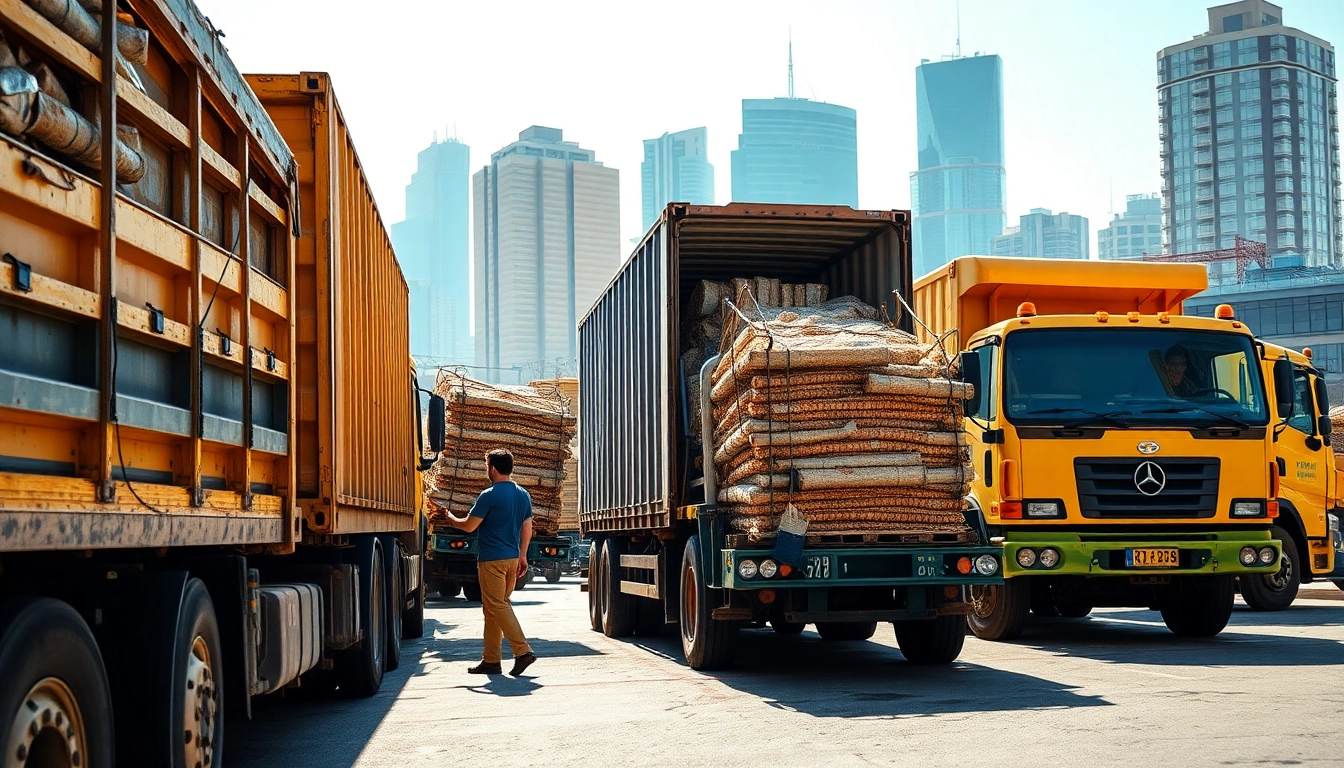
Hauling refers to the process of moving heavy loads or bulk materials, playing a crucial role in logistics, construction, and waste management. The term encompasses a range of activities, including loading, transporting, and unloading goods. Hauling can occur via various modes of transportation such as trucks, trains, and ships, each suited to different types of cargo and distances. Effective hauling relies on understanding the unique requirements of the items being transported, regulatory constraints, and the specific logistical challenges involved.
Key Industries Using Hauling
Several industries rely heavily on hauling services, each utilizing these transportation methods for diverse applications:
- Construction: Heavy machinery, construction materials, and equipment require specialized hauling services.
- Retail and Distribution: Retailers depend on hauling to ensure that products reach stores promptly, affecting overall supply chain efficiency.
- Agriculture: Farmers rely on hauling to transport crops and livestock to market, facilitating their business operations.
- Waste Management: Haulers are essential in the removal and disposal of waste, ensuring environmental compliance and sanitation.
Benefits of Efficient Hauling
Efficient hauling services provide numerous advantages, including:
- Cost Savings: Optimized routes and load capacities can significantly reduce transportation costs.
- Timeliness: Reliable hauling services enhance delivery schedules, ensuring timely arrival of goods.
- Customer Satisfaction: Efficient hauling positively impacts service quality, leading to higher customer satisfaction and repeat business.
- Environmental Benefits: Efficient hauling reduces fuel consumption and emissions, contributing to sustainability goals.
Types of Hauling Services
Residential Hauling Services
Residential hauling services focus on home-related needs, such as junk removal, appliance hauling, and furniture relocation. Homeowners often hire these services during renovations, relocations, or cleanouts. The efficiency of residential hauling can greatly impact homeowner satisfaction, as timely and reliable services alleviate the stress of moving and disposal.
Commercial Hauling Solutions
Commercial hauling solutions cater to businesses requiring consistent and reliable transportation of goods. This includes deliveries between warehouses, distribution centers, and retail locations. Commercial hauling often involves larger loads, specialized equipment, and adherence to specific industry regulations, making it essential for businesses to partner with experienced hauling providers.
Specialized Hauling for Heavy Equipment
Heavy equipment hauling is vital in sectors like construction and agriculture, requiring specialized trucks and trailers designed to transport machinery safely. The complexity of moving such heavy loads necessitates meticulous planning and skilled operators who understand the legal and safety requirements for transporting oversized or heavy items.
Best Practices for Successful Hauling
Regulatory Considerations in Hauling
Hauling is subject to various regulations, including load limits, safety standards, and licensing. Companies must remain aware of federal and state regulations governing the transportation of goods to avoid penalties and ensure safety compliance. Regular audits of hauling practices can help firms stay abreast of these laws.
Environmental Impact and Sustainability
It is important for hauling services to adopt sustainable practices, such as using fuel-efficient vehicles and optimizing routes to minimize emissions. Implementing recycling and waste reduction protocols can further enhance a company's green credentials, appealing to environmentally conscious consumers and contributing to regulatory compliance.
Safety Protocols for Hauling Operations
Safety should be a top priority in any hauling operation. Companies must implement strict protocols, conduct regular training for operators, and ensure maintenance of all equipment involved in the hauling process. Utilizing technology for monitoring driver behavior and real-time tracking can significantly enhance safety measures.
Technology and Innovation in Hauling
Advanced Equipment for Hauling
The evolution of hauling technology has led to the development of advanced equipment that enhances operational efficiency. GPS tracking systems, load sensors, and automated loading systems are just a few examples of how technology is being integrated into hauling practices, allowing for better load management and reduced transportation time.
Utilizing Software for Hauling Management
Many businesses are turning to specialized software for managing their hauling operations. These platforms help schedule pickups and deliveries, optimize routes, and manage billing processes. By leveraging analytics provided by such software, businesses can gain insights into their hauling efficiency and make data-driven decisions.
The Role of Automation in Hauling
Automation is becoming increasingly prevalent in the hauling industry, with automated trucks and drones being trialed for various applications. While fully autonomous vehicles are still in development, the introduction of semi-automated systems is already changing how the industry operates, promising to enhance safety and efficiency.
FAQs About Hauling Services
What is the meaning of hauling?
Hauling refers to the transport of goods or materials from one location to another, often involving lifting and carrying heavy items.
How does hauling differ from delivery services?
Hauling specifically involves transporting heavier or bulk items, whereas delivery services can include lighter goods to a broader audience.
What equipment is commonly used for hauling?
Common hauling equipment includes trucks, trailers, forklifts, and cranes designed for lifting and transporting heavy loads.
What are the costs associated with hauling services?
Costs vary depending on distance, weight, type of items transported, and specific service requirements. It's best to request quotes for accurate pricing.
Is hauling regulated?
Yes, hauling is subject to various regulations including weight limits, safety standards, and environmental guidelines that vary by state.
Contact Information
Call Us: 4062607988Address: 3906 MT-40, Columbia Falls, MT 59912