Understanding Machined Stainless Steel Parts
Machined stainless steel parts are critical components used across various industries, recognized for their remarkable durability and versatility. As an alloy composed primarily of iron, chromium, and sometimes nickel, stainless steel resists corrosion and oxidation, making it ideal for demanding applications. The precise machining of these parts allows for intricate designs, ensuring that they fulfill specific engineering requirements. In this guide, we will delve into the characteristics of machined stainless steel parts, the types of stainless steel utilized in machining, their benefits, and how they are produced.
When exploring options, machined stainless steel parts can serve a vast array of functionalities, from simple brackets to complex assemblies requiring tight tolerances.
What Are Machined Stainless Steel Parts?
Machined stainless steel parts refer to components crafted through machining processes—removing material from a solid block of stainless steel to create specific shapes and dimensions. This method allows manufacturers to achieve high precision, meeting the strict tolerances necessary for many applications. These parts can be produced in various shapes such as rods, plates, and intricate assemblies, depending on the demands of the project.
Types of Stainless Steel Used in Machining
The machinability of stainless steel varies based on its alloy composition. The most commonly used grades for machining include:
- 304 Stainless Steel: Known as the standard grade, 304 offers good machinability and is widely used due to its excellent corrosion resistance.
- 316 Stainless Steel: This grade provides superior corrosion resistance, making it suitable for marine and chemical applications, though it is slightly more challenging to machine than 304.
- 410 Stainless Steel: A martensitic stainless steel with moderate corrosion resistance, 410 can be heat-treated to improve hardness, useful for parts needing strength.
- 420 Stainless Steel: Known for its ability to be hardened, this grade is often used for applications requiring high wear resistance.
- 630 Stainless Steel (17-4 PH): A precipitation-hardening grade that combines high strength and corrosion resistance, ideal for aerospace and high-performance applications.
The Benefits of Using Machined Stainless Steel Parts
There are numerous advantages to utilizing machined stainless steel parts in various industries:
- Corrosion Resistance: Stainless steel’s inherent properties protect against rust and corrosion, extending the lifespan of components.
- Durability: These parts withstand extreme temperatures and pressures, making them suitable for challenging environments.
- Precision: Machining allows for high precision and repeatability, essential for parts requiring exact specifications.
- Versatility: With a wide variety of grades available, stainless steel can be tailored to the specific needs of different applications.
- Aesthetic Appeal: Stainless steel parts maintain a polished and attractive surface finish, ideal for consumer products.
Key Machining Processes for Stainless Steel
To manufacture machined stainless steel parts, several key machining processes can be employed, each suited for particular tasks and desired results.
CNC Machining: Technology and Techniques
CNC (Computer Numerical Control) machining is one of the most popular methods for producing stainless steel components. This technology utilizes computer-controlled machines to perform precise cutting, milling, drilling, and turning operations. CNC machining provides an array of benefits, including:
- High Precision: Accurate dimensions and tolerances are achievable, critical for complex designs.
- Automation: Reduces human error and increases efficiency, allowing for faster production times.
- Flexibility: Capable of producing large volumes of parts or custom one-off designs with ease.
Common Challenges in Machining Stainless Steel
While machining stainless steel offers numerous benefits, it is not without challenges. Key issues include:
- Tool Wear: Due to the toughness of stainless steel, tools can wear down quickly, necessitating frequent replacements or sharpening.
- Heat Generation: High machining speeds can lead to excessive heat, potentially damaging both the workpiece and tooling.
- Work Hardening: Some stainless steel grades can harden during machining, making them more challenging to work with as operations progress.
Best Practices for Achieving Precision
To enhance the machining process and achieve better precision when working with stainless steel, manufacturers can adopt several best practices:
- Proper Tool Selection: Use high-quality cutting tools designed for stainless steel to minimize wear and improve efficiency.
- Coolant Usage: Employing appropriate coolant can help reduce heat buildup, extending tool life and improving surface finish.
- Feed Rate and Speed Optimization: Adjusting feed rates and spindle speeds based on the specific stainless steel grade can prevent work hardening.
Applications of Machined Stainless Steel Parts
Machined stainless steel parts find applications across various industries due to their durability and versatility.
Industries That Utilize Machined Parts
Several sectors benefit significantly from the use of machined stainless steel components, including:
- Aerospace: Parts must withstand extreme environments, such as engine components and structural elements.
- Medical: Surgical instruments and implants benefit from stainless steel’s biocompatibility and corrosion resistance.
- Automotive: Components like exhaust systems and engine parts require reliability and performance.
- Food Processing: Equipment must meet stringent hygiene standards, making stainless steel an ideal choice.
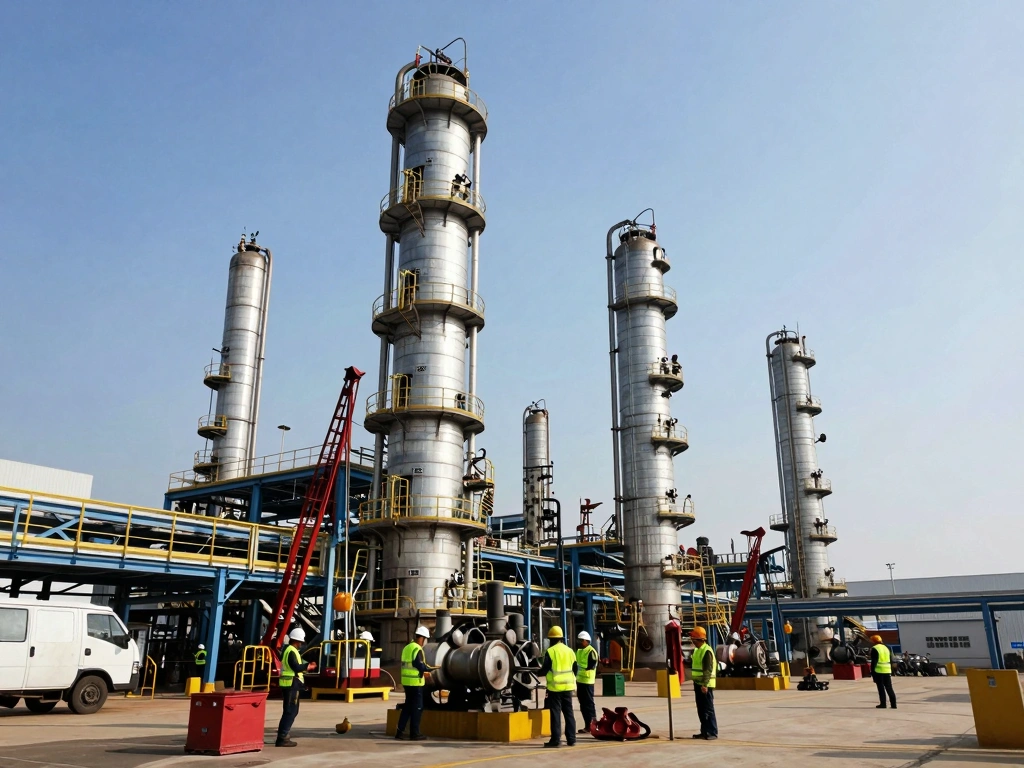
- Oil and Gas: The industry's harsh conditions demand robust and corrosion-resistant components.
Case Studies: Successful Applications
In the aerospace industry, companies like Boeing and Airbus rely on precision machined stainless steel parts for critical components that must endure high stress and extreme temperatures. In medical technology, advancements in 3D printing stainless steel have allowed for custom implants tailored specifically to individual patients, showcasing the versatility of the material. Similarly, food processing plants utilize machined stainless steel fittings and components to maintain cleanliness and avoid contamination.
Innovative Uses in Emerging Technologies
As technology evolves, the applications for machined stainless steel continue to expand. For instance, in the realm of renewable energy, stainless steel parts are increasingly employed in wind turbines and solar panel structures, providing longevity while resisting harsh environmental conditions. Moreover, advancements in additive manufacturing are enabling the creation of complex geometries not possible with traditional machining.
Quality Control in Machined Stainless Steel Parts
Ensuring the quality of machined stainless steel parts is crucial for maintaining performance and reliability.
Importance of Precision and Consistency
Precision is vital, as even minor deviations can lead to failure in critical applications. Consistency in manufacturing processes ensures that every part meets the necessary specifications, reducing the risk of defects and enhancing overall product reliability.
Testing Methods for Quality Assurance
Several techniques are employed to assure the quality of machined stainless steel parts:
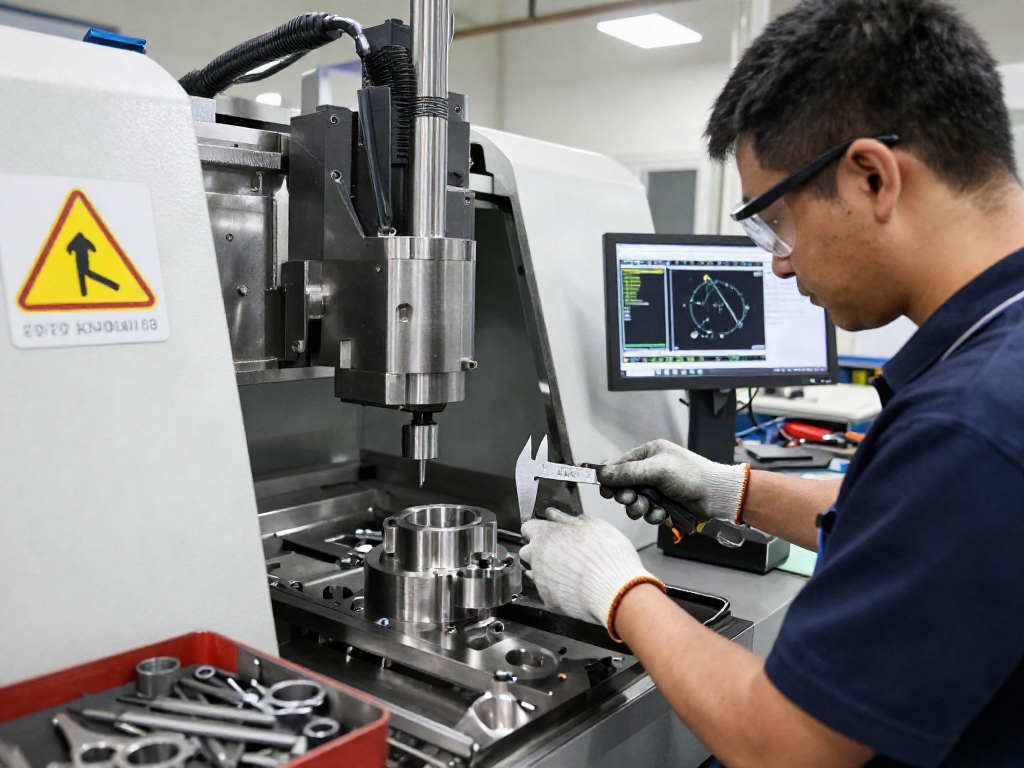
- Dimensional Inspection: Utilizing tools like calipers, micrometers, and coordinate measuring machines (CMM) to verify dimensions.
- Material Testing: Conducting tensile tests, hardness tests, and corrosion resistance tests to ensure material integrity.
- Surface Finish Evaluation: Analyzing surface roughness using profilometers to ensure the surface meets the required specifications.
Ensuring Compliance with Industry Standards
Manufacturers must adhere to various industry standards, such as ISO, ASTM, and AS9100, which set forth guidelines for quality control processes and required certifications for parts. Compliance with these standards not only assures product quality but also enhances a company's credibility in the market.
The Future of Machined Stainless Steel Parts
As the industry evolves, several trends and innovations are anticipated to shape the future of machined stainless steel parts.
Trends and Innovations in Machining Technology
Advancements in technology, such as the integration of AI in CNC programming and the use of machine learning for predictive maintenance, are set to revolutionize the machining landscape. These innovations will lead to greater efficiency, reducing lead times, and improving overall production processes.
Environmental Considerations and Sustainability
As sustainability becomes increasingly important, the machining industry is exploring eco-friendly practices, such as waste reduction and the recycling of materials. Additionally, manufacturers are focused on developing stainless steel alloys that require less energy for machining, thus lowering the environmental impact.
Predictions for 2026 and Beyond in Machining
Looking ahead, the demand for machined stainless steel parts is projected to grow significantly as industries continue to prioritize durability and reliability. Enhanced machining capabilities and the exploration of new stainless steel grades will cater to emerging applications, particularly in aerospace and renewable energy sectors.
What are the most common types of stainless steel for machining?
The most common grades include 304, 316, 410, and 420—each with unique properties suited for different applications.
How do machining techniques differ for various materials?
Machining techniques are tailored based on material properties, such as hardness, toughness, and thermal conductivity, affecting tool selection and process parameters.
What industries benefit the most from machined parts?
Industries such as aerospace, medical, automotive, and food processing are among the primary beneficiaries of machined stainless steel parts due to their demanding requirements for durability and precision.
How can I ensure the quality of machined parts?
Implementing rigorous quality control processes, including dimensional inspections and compliance with industry standards, ensures the consistency and reliability of machined parts.
What are the emerging trends in machining technology?
Emerging trends include the integration of AI in machining processes, advancements in additive manufacturing, and a focus on sustainable practices in production.