Introduction to Giant Foam Building Blocks
What Are Giant Foam Building Blocks?
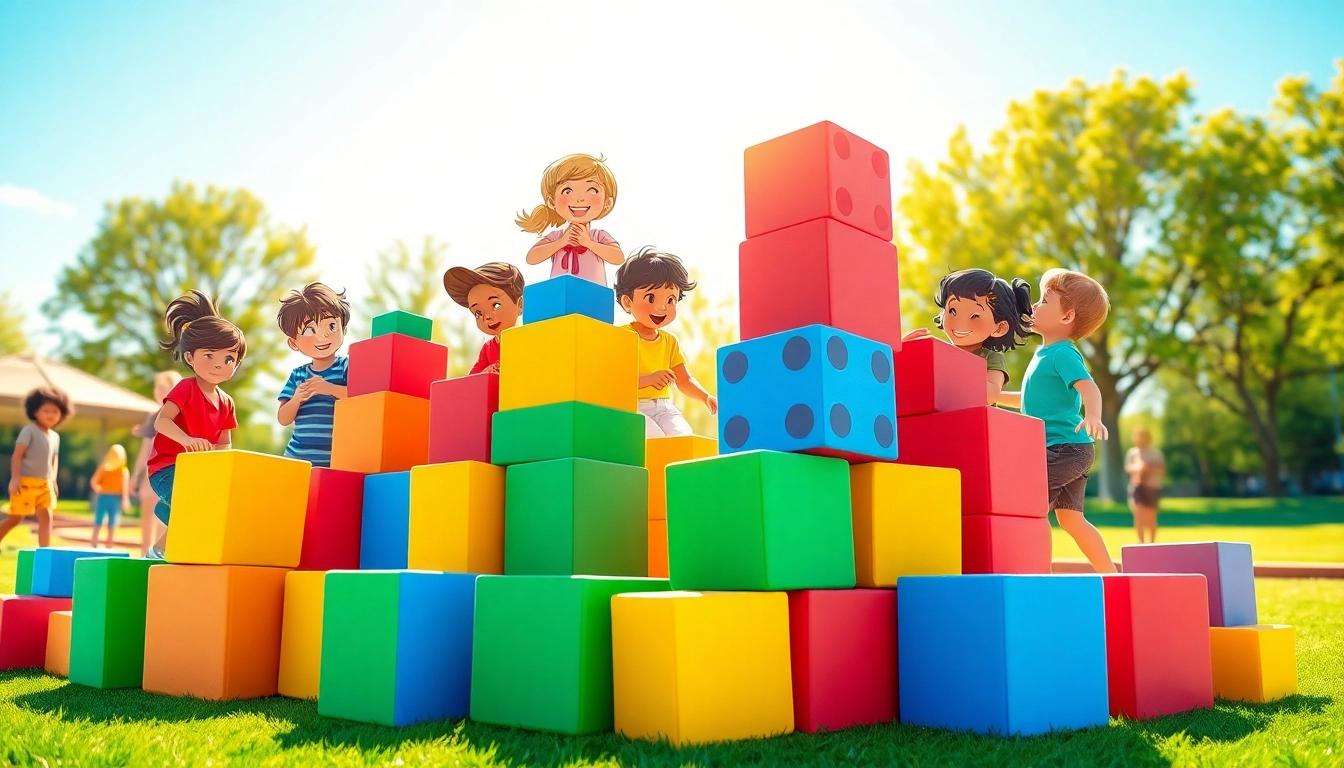
Giant foam building blocks are oversized, soft, lightweight blocks that encourage children's creativity and imagination during play. Made from high-density foam, these blocks come in various shapes and colors, making them an excellent tool for construction projects and imaginative play. Their design ensures safe interaction, allowing children to stack, lean, and knock down structures without the risk of injury. These versatile blocks can be used for various activities, promoting learning through enjoyment. For more details about choosing the right type, let's dive into the benefits they offer.
Benefits of Using Foam Blocks for Indoor Play
One of the most notable advantages of giant foam building blocks is their versatility in play. They can serve multiple purposes, from simple stacking to complex architectural designs, fostering creativity. Additionally, these blocks enhance physical development; when children engage in building activities, they improve their motor skills, hand-eye coordination, and balance. The soft texture of foam also provides a safe environment for indoor activities, reducing potential injuries from falls or collisions.
Beyond physical benefits, foam blocks create opportunities for social interaction. Whether kids are working together or engaging in directed play, they learn valuable lessons in teamwork, communication, and problem-solving. Furthermore, the colorful blocks stimulate visual learning, encouraging children to express their ideas and concepts through construction.
Safety Considerations When Choosing Foam Blocks
When selecting giant foam building blocks for children, safety is paramount. Ensure that the blocks are made from non-toxic, high-quality materials, which are free from harmful chemicals that could pose health risks. Additionally, check for certifications or safety standards that the product has met. The blocks should also be designed to avoid small parts that can be choking hazards.
In terms of size, larger blocks are preferable for younger children since they are less likely to be swallowed or misused. Regular inspections for wear and tear are essential, as damaged blocks may expose children to safety risks. By adhering to these safety guidelines, parents can create a secure and fun play environment for their kids.
Creative Building Ideas and Themes
Theme-Based Building Activities for Kids
Using theme-based building activities can significantly enhance the play experience with giant foam blocks. For example, a castle theme can inspire children to construct a fortress, allowing for imaginative role-play as knights and princesses. Alternatively, a space theme can lead to the building of rocket ships or alien structures, leveraging children's interest in outer space.
Themed activities not only boost creativity but also aid in concept retention. When children associate building with a theme, they develop storytelling skills along with spatial awareness. Encouraging kids to draw inspiration from their surroundings or favorite tales can spark discussions that enhance their overall understanding of themes.
Collaborative Projects: Team Building with Foam Blocks
Collaborative building projects using foam blocks can serve as fantastic team-building exercises for children. When working together, kids learn about responsibility and the importance of contribution to a group goal. This collaboration can enhance social skills, teaching them to take turns, share resources, and communicate effectively.
Teachers and organizers can facilitate group projects such as creating a community playground scene or constructing large-scale buildings that require effective planning and teamwork. These initiatives bring fun and learning together, highlighting the importance of collaboration in achieving a common objective.
Seasonal and Holiday-Inspired Structures
Seasonal and holiday themes open a plethora of creative building opportunities. For instance, during Halloween, children can build spooky castles or haunted houses, while in winter, they can craft snowmen or igloos. Such seasonal themes provide a great way to introduce cultural narratives related to holidays while expanding their imagination.
Encouraging kids to come up with their own unique ideas for these themes will not only foster a sense of pride in their creations but also engage them in the learning process. By building items related to seasons, children can also explore relevant colors, shapes, and materials that reflect those times of the year.
Enhancing Learning with Building Blocks
Using Blocks for Early Childhood Education
Giant foam building blocks are perfect for early childhood education, serving as a hands-on tool for various learning objectives. Children can learn fundamental concepts such as numbers, letters, and shapes while building with blocks. Additionally, educators can incorporate lessons that align with playtime, helping reinforce skills in an engaging manner.
Structured play with foam blocks facilitates cognitive development by promoting critical thinking and problem-solving. It allows children to test hypotheses, alter their designs, and learn from mistakes, which are crucial skills for their growth.
STEM Learning Opportunities with Foam Blocks
Foam blocks also present excellent opportunities for STEM (Science, Technology, Engineering, and Mathematics) learning. As kids build structures, they’re inadvertently experimenting with concepts like gravity, balance, and physics. For instance, children may need to calculate the best way to stack blocks to ensure stability or design an archway that can withstand weight.
Engaging children in such educational activities increases critical thinking and fosters an interest in STEM fields. Introducing simple calculations and strategy discussions during the play can make learning consequential and enjoyable, capturing a child's natural curiosity.
Social Skills Development Through Group Play
Playing with giant foam blocks in groups can significantly enhance children's social skills. As they navigate interactions, they learn to articulate their thoughts, cooperate with peers, and constructively deal with disagreements. Such interactions foster emotional intelligence and empathy, as they encourage understanding different perspectives.
Instructors can guide play by posing questions that inspire group discussions about their designs or challenges faced during building. This guidance nurtures not only verbal communication skills but also the ability to listen and respect others’ opinions—key components of healthy social development.
Tips for Organizing Building Block Sessions
Creating an Engaging Play Environment
Setting up an engaging play environment is critical for maximizing the benefits of foam block sessions. Start by designating ample space where children can move freely without the risk of bumping into furniture or other obstacles. Make the area appealing by using colorful mats and arranging the blocks in an inviting manner.
Additionally, consider the lighting and sound environment. Soft music can set a fun, relaxing tone, while natural light can create an energetic atmosphere. Providing themed props compatible with foam blocks helps enhance engagement and fuels children's imagination.
Structuring Activities for Maximum Engagement
To maintain high levels of engagement during building sessions, it’s helpful to structure activities purposefully. Start with a captivating introduction, which could include storytelling or a short interactive lesson about the themes they will explore. Allow children to choose what they want to build while giving guidance and encouragement along the way.
Incorporate challenges, like specific design requirements or timed tasks, to keep the excitement alive. Regularly rotating the themes may also prevent boredom and encourage continuous participation.
Cleaning and Maintaining Your Foam Blocks
To keep foam blocks in good condition, comprehensive cleaning and maintenance practices are essential. Regularly inspect blocks for dirt or damage and clean them with a damp cloth using a mild soap solution. Avoid harsh chemicals that can degrade the foam material.
To prevent mildew or odor, ensure blocks are completely dry after cleaning before storing them. Store them in a cool, dry area, away from direct sunlight. By maintaining blocks properly, parents and educators can ensure long-lasting play and enjoyment.
Frequently Asked Questions
What age is appropriate for giant foam building blocks?
Giant foam building blocks are suitable for children aged 1 and up. They provide a safe and versatile play option, engaging toddlers through older kids.
How do I clean and maintain foam building blocks?
Clean foam blocks with a damp cloth and mild soap, then air dry completely. Regular inspections for wear and tear help maintain their quality.
Are foam building blocks safe for indoor use?
Yes, foam building blocks are designed to be safe for indoor play. Their soft material minimizes injury risk during creative construction activities.
Can giant foam blocks be used outdoors?
Yes, giant foam blocks can be safely used outdoors. However, ensure they are protected from weather elements and UV exposure to prolong their lifespan.
How many blocks do I need for an engaging play session?
The number of blocks needed depends on the group size and intended activities. A set of 20-30 blocks is generally recommended for engaging play sessions.