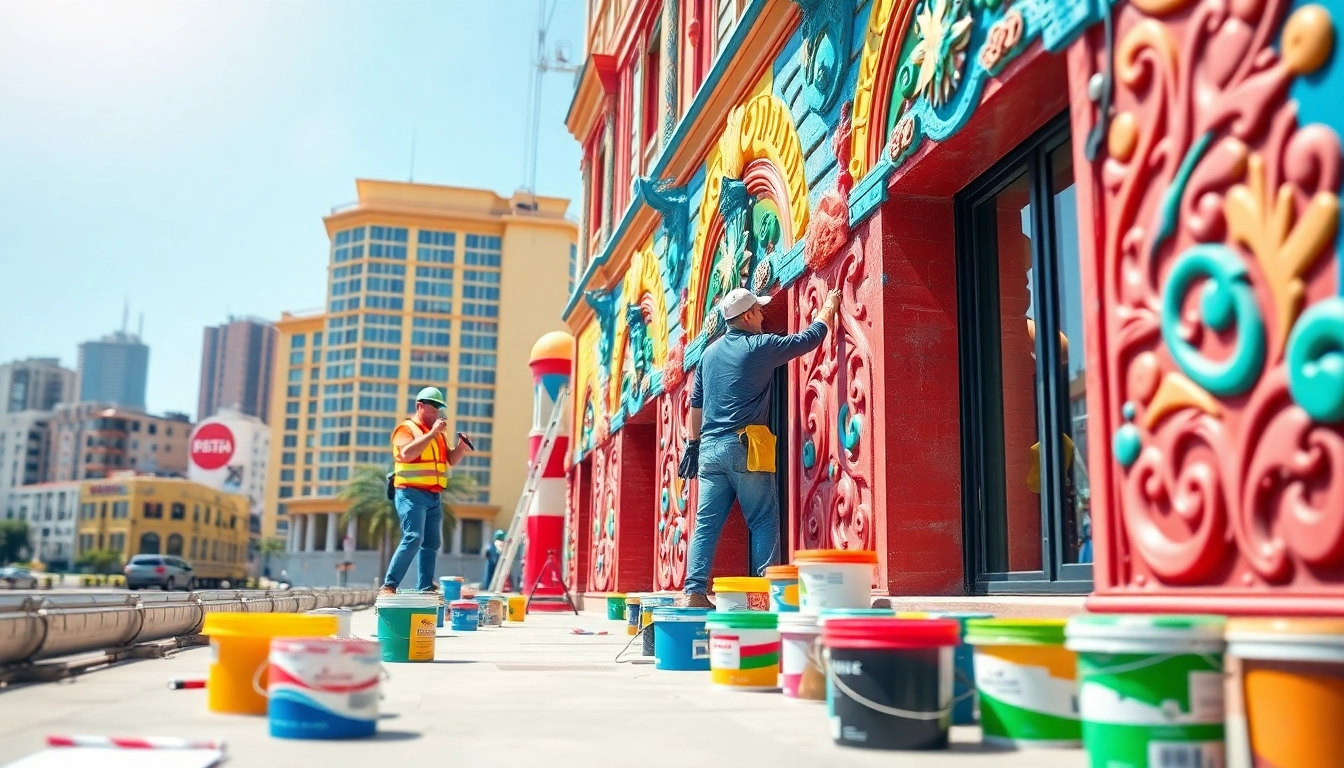
Understanding the Importance of Painting Commercial
In the bustling world of commercial enterprises, first impressions matter significantly. Renovation, upkeep, and strategic aesthetics converge in the realm of painting commercial. This essential service not only revitalizes spaces but also enhances brand identity, customer experience, and employee satisfaction.
What is Painting Commercial?
Painting commercial refers to the specialized application of paint in business environments including offices, retail spaces, restaurants, and other venues. Unlike residential painting, which focuses more on aesthetics and personal taste, commercial painting prioritizes durability, functionality, and adherence to regulatory standards. The choices made in color, technique, and materials all play vital roles in shaping the visual narrative of a business.
Benefits of Professional Painting Commercial
Engaging professional painting services yields numerous benefits for businesses. From increasing property value to enhancing the overall working environment, the effects of well-executed commercial painting are extensive. Here are some key advantages:
- Enhanced Aesthetics: A fresh coat of paint revitalizes spaces, making them more inviting.
- Brand Identity: Color choices can significantly reflect brand values and attract customers.
- Increased Longevity: Quality materials and professional application ensure durability, reducing maintenance costs.
- Health Benefits: Using low-VOC paints minimizes potential health hazards for employees and customers.
The Role of Color in Commercial Spaces
Color psychology plays a crucial role in commercial painting. Different colors evoke various emotions and responses, influencing customer behavior and employee productivity. For instance:
- Blue: Often associated with trust and serenity, making it popular in corporate offices.
- Red: Can stimulate the appetite, frequently used in dining establishments.
- Green: Reflects growth and tranquility, ideal for wellness-focused businesses.
Understanding the implications of color allows businesses to strategically influence their environment, enhancing both customer satisfaction and employee morale.
Choosing the Right Techniques for Painting Commercial
Essential Tools for Painting Commercial
The right tools can make a significant difference in the outcomes of a commercial painting project. Essential tools include:
- Rollers: For large areas, providing smooth coverage.
- Brushes: Ideal for detailed work and edges.
- Paint Sprayers: Efficient for complex surfaces and textured walls.
- Drop Cloths: To protect floors and furniture.
Investing in quality tools directly correlates with the quality of the work produced.
Popular Techniques in Commercial Painting
Several techniques are commonly utilized in commercial painting to achieve various effects and finishes. Some notable methods include:
- Brush Out: A detailed approach ideal for intricate designs.
- Roll and Spray: A hybrid technique noted for efficiency and finishing quality.
- Textured Painting: Offers depth and character through stippling or sponge techniques.
Understanding the functions and aesthetics of each technique can help tailor a project to specific business needs.
Safety Measures and Best Practices
Safety cannot be overlooked in commercial painting projects. Ensuring the safety of staff, customers, and the environment is integral:
- Proper Ventilation: Ensuring adequate airflow minimizes health risks associated with paint fumes.
- Protective Gear: Gloves, masks, and goggles should be standard for everyone involved in the project.
- Workplace Safety: Ensure that areas are properly cordoned off to prevent accidents.
Implementing best practices in safety reassures clients and employees, reflecting a commitment to well-being.
Cost Considerations in Painting Commercial
Budgeting for Painting Commercial Projects
Effective budgeting is crucial for the success of any commercial painting project. Begin by estimating costs for materials, labor, and any required equipment. A clear budget ensures that all financial aspects are considered, preventing overspending and delays.
Factors Affecting Commercial Painting Costs
The overall cost of a painting project can fluctuate based on several factors:
- Size of the Space: Larger areas naturally require more materials and labor.
- Preparing the Surface: Pre-existing damage or textures can necessitate extensive prep work.
- Color and Finish Choices: Specialty paints or intricate finishes can lead to increased costs.
ROI of Investing in Quality Painting Commercial
Investing in high-quality commercial painting can yield substantial returns. Quality work enhances the value of the property, improves customer experience, and can positively impact sales. A professional finish creates an impression of care and attention to detail that resonates with customers.
Case Studies: Successful Painting Commercial Projects
Before and After: Transformations in Commercial Spaces
Visual transformations tell compelling stories. Before and after images of various commercial spaces showcase the impact of professional painting. Successful projects have shown:
- Retail Stores: Sudden shifts in customer foot traffic post-revamp.
- Offices: Improved employee satisfaction rates correlated with refreshed environments.
Community Spaces Enhanced by Painting
Painting community spaces brings vibrancy to public areas. Projects in parks and recreational facilities have seen:
- Artistic Murals: Fostering a sense of community pride and belonging.
- Playgrounds: Bright colors enhancing the overall atmosphere for families.
Branding Through Strategic Painting Commercial
Strategic color choices in branding can significantly influence customer perception. Businesses utilizing distinct color palettes create stronger recognition and emotional connection with their target audience. Case studies indicate a positive correlation between effective branding and increased customer loyalty.
Maintaining and Refreshing Painting Commercial
Signs Your Commercial Space Needs Repainting
A well-maintained business environment is vital. Key signs indicating it's time for a fresh coat include:
- Fading Colors: Diminished vibrance suggests the paint is aging.
- Peeling or Cracking: Issues that not only look untidy but could lead to more significant problems.
- Stains: Accumulated marks can create a poor impression.
Tips for Long-lasting Commercial Paint
To ensure paint lasts long in commercial applications, consider the following tips:
- Quality Products: Invest in durable paints and supplies for longevity.
- Proper Application: Follow best practices and environmental recommendations for application.
- Regular Inspections: Keep an eye out for wear and address issues proactively.
Scheduling Regular Maintenance for Commercial Spaces
Establishing a regular maintenance schedule is crucial for extending the life of commercial paint. Timely refreshes can help maintain the aesthetic and functional integrity of the space, ensuring an enduring first impression.
Frequently Asked Questions
What is the typical duration for commercial painting projects?
The duration varies based on the project size but generally spans from a few days to several weeks, depending on preparations.”
How often should commercial spaces be repainted?
It’s advisable to repaint every 3-5 years, but factors like exposure and wear may necessitate more frequent touch-ups.
Can I customize the color scheme for my business?
Absolutely! Custom color schemes can be developed to align with your brand identity and design preferences.
What should I avoid during a commercial painting project?
Avoid low-quality paints, rushing the project, or neglecting surface preparation, as these can lead to long-term issues.
Are there environmentally friendly options for commercial paint?
Yes, many manufacturers offer low-VOC or zero-VOC paints that help reduce environmental impact while maintaining quality.
Contact Information
Address:Branam Brushworks LLCCall Us:+12076168892