Understanding the Importance of Hosting Events
Hosting events is more than just bringing people together; it’s about creating experiences that resonate with attendees and meet specific objectives. From corporate meetings to social gatherings, events serve as a critical tool in various domains, including networking, brand promotion, fundraising, and community engagement. Given the dynamic nature of the modern landscape, understanding the importance of Hosting Events effectively is essential for anyone looking to make an impact.
Defining Event Objectives
Before diving into the logistics of planning an event, it’s crucial to define clear objectives. Ask yourself what you want to achieve: Are you aiming to increase brand awareness, build community relations, or drive sales? Aligning your event's purpose with your overall business strategy not only helps in crafting a focused agenda but also assists in measuring success post-event. For instance, a company launching a new product might aim for heightened visibility and customer engagement, ensuring that every aspect of the event—from speakers to activities—is centered around this goal.
Target Audience Analysis
Knowing your audience is vital for hosting a successful event. Conducting audience analysis allows you to tailor your content and activities to their preferences and interests. Start by examining demographics such as age, location, and interests. Tools like surveys or social media insights can be instrumental in gathering this data. Consider creating personas that represent different segments of your target audience; this will guide decisions on marketing strategies, content creation, and even venue choice, ensuring a more personalized experience.
Benefits of Hosting Events
The benefits of hosting events can vary greatly depending on the goals set forth. One significant advantage is the opportunity to foster stronger relationships. In-person interactions often lead to deeper connections, whether with clients, partners, or community members. Events also provide a platform for knowledge sharing and engagement, allowing companies or organizations to showcase their expertise, gather insights from attendees, and encourage collaboration. Additionally, hosting events enhances visibility and could lead to increased sales, brand loyalty, and an expanded network.
Planning Your Event: Key Steps
Successful events don’t just happen overnight; they are the result of meticulous planning and execution. Attention to detail and adherence to timelines are crucial components of event planning. Below are some key steps to consider.
Setting a Realistic Budget
Establishing a budget is one of the first and most important steps in event planning. A clear budget helps ensure that your event remains financially viable and allows for accurate forecasting of expenses and revenues. Begin by outlining all potential costs, including venue rental, catering, technical equipment, marketing, and personnel. Always include a buffer for unexpected expenses—typically around 10-15% of your total budget. Additionally, explore various funding options, such as sponsorships or ticket sales, which can alleviate financial burdens.
Choosing the Right Venue
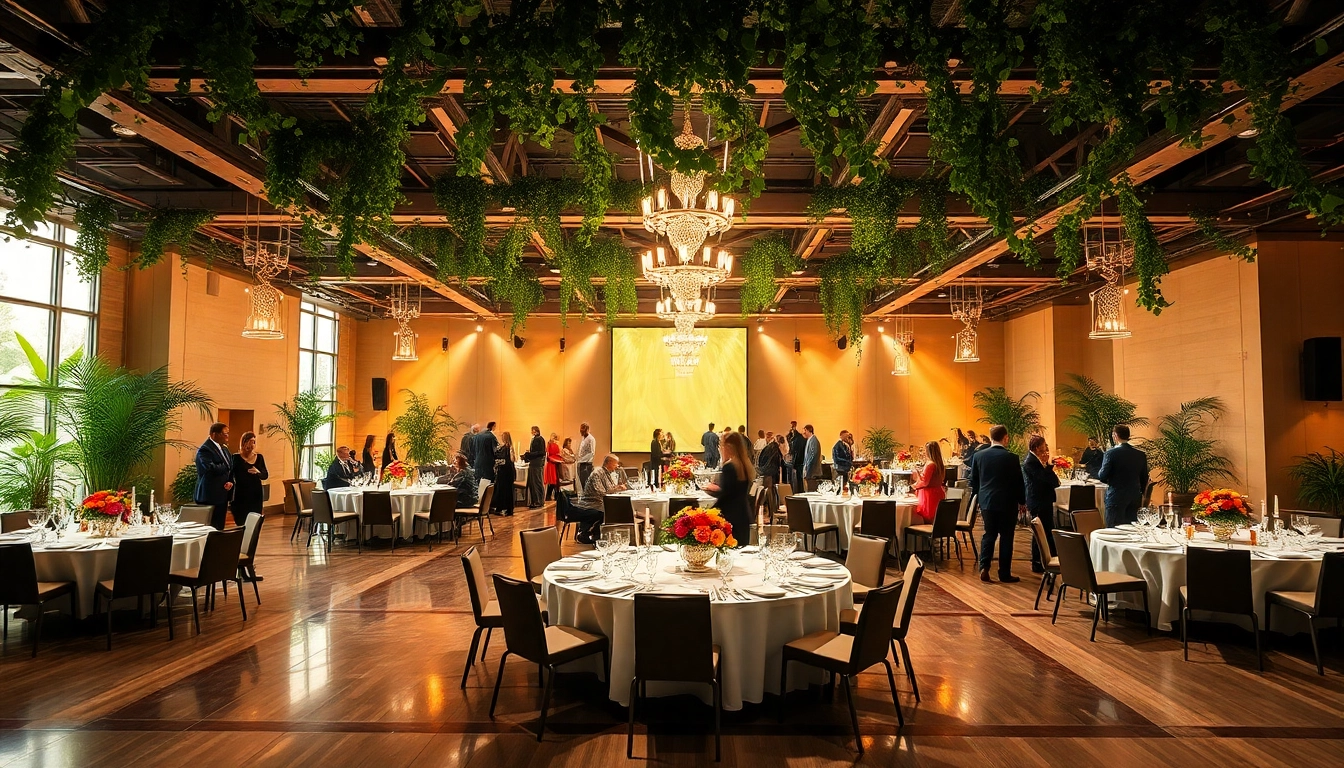
The venue can make or break an event. Select a location that aligns with your objectives, accommodates your audience, and is accessible. Factors to consider include size, layout, amenities, and ambiance. For instance, if the event aims to promote networking, spaces that encourage mingling and interaction will be critical. It’s also advisable to have a backup plan in place in case of unforeseen circumstances, such as weather changes for outdoor events.
Creating a Detailed Timeline
Establishing a comprehensive timeline is essential to keep your event on track. Start by outlining all major tasks and deadlines, from venue booking to final attendee confirmations. Break down these tasks into smaller, manageable steps to make tracking progress easier. Additionally, assign responsibilities to team members and schedule regular check-ins to ensure everyone is on the same page. Utilizing project management tools can be helpful in visualizing tasks and timelines.
Engaging Attendees: Best Practices
Once your planning is underway, the focus shifts to engaging your audience effectively. This is where the event can distinguish itself through innovative marketing strategies and interactive experiences.
Effective Marketing Strategies
Marketing your event is essential for attracting attendees and generating buzz. Leverage multiple channels, including social media, email marketing, and partnerships with local influencers or organizations. Consider creating engaging content around the event, such as teaser videos or interactive polls, to generate excitement. Early bird registration discounts and referral incentives can also boost attendance. Furthermore, don’t underestimate the power of word-of-mouth; encourage attendees to share their experience both online and offline.
Creating Interactive Experiences
In an age where attendees expect unique experiences, it’s crucial to think outside the box. Interactive elements such as live polls, Q&A sessions, and workshops can enrich the experience. Additionally, incorporating gamification—like contests or challenges—can enhance engagement levels significantly. For instance, if you’re hosting a corporate seminar, consider breakout sessions where participants can apply new skills immediately in a practical setting.
Utilizing Technology and Social Media
Technology can streamline many processes involved in hosting events. Event apps can enhance attendee experience, offering schedules, maps, and networking capabilities. Furthermore, live streaming and social media integration during the event can broaden your reach. Encourage participants to use a specific event hashtag to create a digital footprint that can be leveraged for post-event marketing. Capturing moments and sharing them in real-time keeps the buzz alive and engages those who couldn't attend.
Execution: Making Your Event Successful
As the event date approaches, the focus shifts to execution. Clear communication and proactive management are paramount during this phase.
Event Day Logistics
On the big day, ensuring everything flows smoothly requires extensive organization. Create checklists for logistical aspects such as registration, catering, AV setups, and signage. Consider conducting a run-through of the event the day before to identify and address potential issues. Designate a team leader for event day operations to oversee all activities, allowing for quick adjustments and decision-making. Strong leadership ensures that every aspect of the event meets the high standards set during planning.
Managing Attendee Flow
Effectively managing attendee flow is critical, especially in events with large crowds. Strategically placing signage can guide attendees and prevent bottlenecks. Have a clear check-in process that minimizes waiting times and ensures a positive first impression. Additionally, setting up areas where attendees can network or relax can balance flow and keep the energy positive throughout the event.
Real-time Problem Solving
Despite careful planning, unexpected challenges can arise during an event. Having a contingency plan is essential. Train your team to stay calm and proactively tackle issues as they arise. Establish a communication system, such as walkie-talkies or a group messaging app, to quickly disseminate information and updates among team members. Innovation and adaptability are key—sometimes the best solutions are those that arise spontaneously!
Post-Event Activities: Ensuring Lasting Impact
After the event, it’s essential to keep the momentum going. Your post-event strategy plays a critical role in sustaining engagement and measuring the event's success.
Collecting Feedback and Analyzing Data
Gathering feedback is vital to understanding attendees’ experiences and perspectives. Use surveys (digital or paper) to assess what worked and what didn’t. Analyze data related to attendance numbers, engagement levels, and revenue generation. This information guides improvements for future events and helps in refining your overall strategy. Consider offering incentives for completing the survey to boost participation rates.
Maintaining Engagement After the Event
Keeping the conversation alive after the event is crucial. Share post-event content such as photos, videos, and highlights to engage those who attended. Consider creating follow-up content, such as blog posts dissecting key takeaways or offering additional resources. Engaging directly with your audience via email or social media helps solidify connections and paves the way for future events.
Measuring Success Through Metrics
Success can be measured through various metrics, which should align with the objectives set at the beginning of the planning process. Key performance indicators (KPIs) such as attendance numbers, engagement rates, and financial outcomes provide insight into the event's effectiveness. Additional data points could include social media impressions and the number of new contacts generated. Evaluating these metrics not only assesses the event's success but also informs future planning decisions.
FAQs About Hosting Events
1. What is the first step in planning an event?
The first step is defining your event objectives, which will guide all subsequent planning decisions.
2. How can I engage attendees effectively?
Utilize interesting content, interactive experiences, and technology to keep attendees engaged and involved.
3. Why is audience analysis important?
Understanding your audience allows for tailored content and activities that resonate with their interests and increase attendance.
4. What are some effective marketing strategies for events?
Leverage social media, email campaigns, and collaborations with local influencers to create buzz and increase registrations.
5. How do I measure the success of an event?
Success can be measured through attendance numbers, engagement metrics, financial performance, and feedback from participants.
Contact Information
Call Us: +1 615-624-7821Email: [email protected]Address: 1276 Northwest Broad Street, Murfreesboro, TN 37129, USA