Understanding the Concept of Attractiveness
Attractiveness is a multifaceted concept that has intrigued humans for centuries. It encompasses various elements, from physical appearance to personality traits and cultural influences. Today, the way we define and perceive attractiveness is shaped by numerous factors, including media representation, societal norms, and personal experiences. As we delve into the intricacies of attractiveness, it is essential to recognize that our understanding of beauty continues to evolve, particularly in a world increasingly influenced by technology and social media. For those curious about their own appeal, tools to test attractiveness have become readily available, offering insights into personal beauty metrics.
What Defines Attractiveness Today?
In contemporary society, attractiveness extends beyond mere physical characteristics. While features such as symmetry, facial structure, and skin quality play significant roles, psychological attributes, including confidence and charisma, are equally vital. Increasingly, the notion of attractiveness is influenced by cultural diversity and individual preferences, highlighting that there is no singular standard. This shift is particularly prominent in the age of social media, where diverse representations of beauty thrive, encouraging a broader acceptance of various looks and styles.
Historical Perspectives on Beauty Standards
Beauty standards have fluctuated throughout history, shaped by cultural movements, economic factors, and artistic influences. In ancient civilizations, ideals of beauty often aligned with fertility and health, as seen in the Venus figurines of prehistoric Europe. The Renaissance brought forth a celebration of human form, emphasizing proportion and grace, epitomized by classical artworks. However, the 20th century saw a rapid shift towards more commercialized ideals, particularly with the rise of Hollywood. These changing standards remind us that attractiveness is not static; it is a reflection of societal values and aspirations.
Psychological Aspects of Attractiveness
Psychological factors significantly influence how individuals perceive their attractiveness and that of others. Theories such as the "halo effect" suggest that people perceive attractive individuals as possessing other positive traits, such as intelligence or kindness. Conversely, societal pressures and self-esteem issues can lead individuals to undervalue their own attractiveness, impacting their confidence and interactions. Understanding these psychological dimensions can help individuals foster a healthier self-image.
Innovations in Attractiveness Testing
The rise of technology has significantly transformed how we assess and understand attractiveness. Innovations in artificial intelligence (AI) and machine learning are now providing tools that analyze facial features and produce quantitative attractiveness scores. This advancement opens new avenues for self-discovery and beauty assessment and drives discussions around the implications of technology in evaluating personal worth.
AI and Machine Learning in Attraction Metrics
AI technologies are becoming increasingly sophisticated in evaluating human features, leveraging algorithms that analyze facial symmetry, skin tone, and other metrics to deliver an attractiveness score. These tools, often found in various online applications, provide users with insights into their facial features using complex data patterns. However, reliance on these metrics raises questions about the objectivity of beauty standards and the potential impact on self-esteem.
The Role of Facial Symmetry
Facial symmetry has long been linked to perceptions of beauty, with many studies indicating that more symmetrical faces are often rated as more attractive. This phenomenon can be attributed to evolutionary biology, where symmetry is associated with good health and genetic quality. As AI tools measure facial symmetry, they challenge users to confront their own perceptions of beauty while providing a numerical basis for evaluation, which can be both enlightening and daunting.
Emerging Trends in Beauty Technology for 2026
Looking ahead, emerging trends in beauty technology are expected to further reshape how we perceive and test attractiveness. Virtual reality (VR) and augmented reality (AR) applications will likely become commonplace, allowing users to visualize how different beauty treatments or styles may enhance their attractiveness. Additionally, the integration of biometric data may provide personalized beauty solutions, while ethical considerations regarding privacy and self-worth will remain critical discussions in the field.
How to Test Attractiveness Effectively
For those interested in exploring their attractiveness, utilizing available testing tools can provide valuable insights. However, understanding how to effectively navigate these tests is crucial to obtaining meaningful results. This section will guide you through the process, ensuring you can assess your appeal accurately and constructively.
Step-by-Step Guide for Using Attractiveness Apps
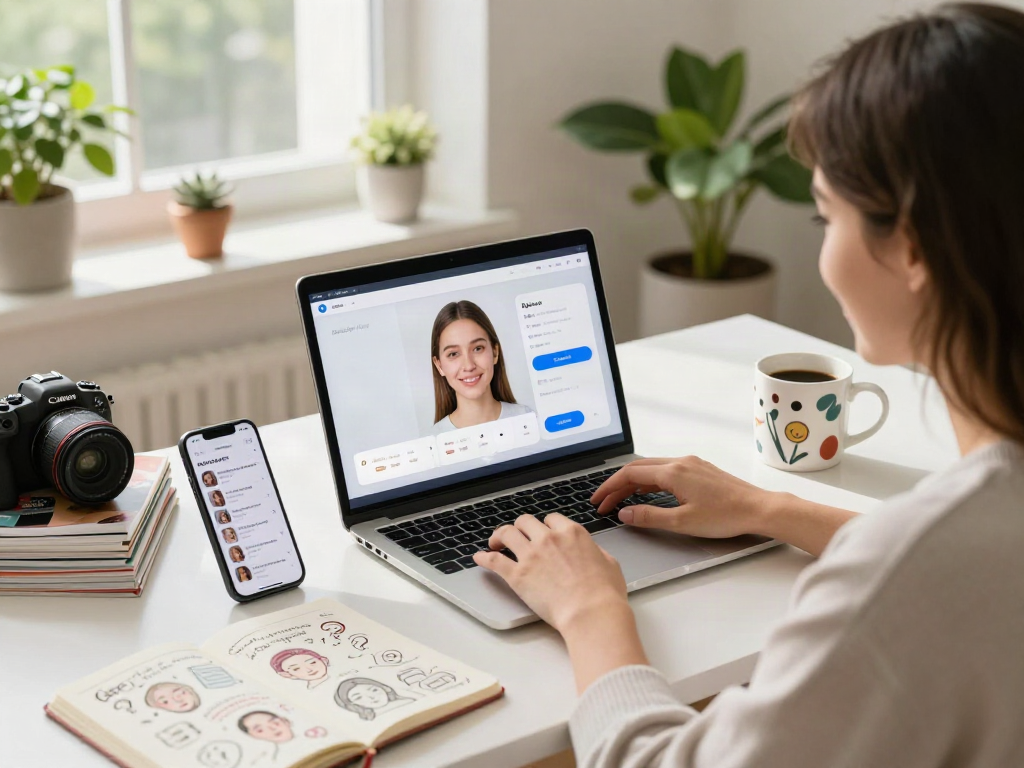
Using attractiveness testing apps is relatively straightforward. Start by selecting a reputable application that uses AI for analysis. Upload a recent photo, ensuring good lighting and a clear view of your face. After submitting your image, the app will analyze various features and provide a score based on predefined metrics. It’s best to approach the results with an open mind, remembering that these scores are not definitive measures of your worth.
Common Mistakes to Avoid in Self-Assessment
One common pitfall in self-assessment is comparing oneself to the often unrealistic standards promoted in media and social platforms. Many users overlook their unique features and qualities in favor of achieving a score that aligns with popular ideals. Remember, attractiveness is subjective, and personal value extends beyond numerical scores.
Interpreting Your Attractiveness Score
Once you receive your attractiveness score, consider it as feedback rather than a definitive judgment. Use the insights to identify features you might want to enhance, but avoid letting it dictate your self-image. Embrace the multifaceted nature of attractiveness, recognizing that qualities such as kindness, intelligence, and authenticity significantly contribute to how others perceive you.
Real-World Applications of Attractiveness Testing
Attractiveness testing is not just an exercise in curiosity; it has practical implications across various domains, including social media engagement, personal relationships, and consumer behavior. Understanding these applications can help individuals navigate different aspects of their lives more effectively.
Influencing Social Media Presence
In an era where social media plays a pivotal role in interpersonal connections, understanding your attractiveness can impact your online persona. Users who present as more attractive often enjoy higher engagement rates on their posts, influencing their social standing. However, it's important to maintain authenticity and not overly rely on perceived attractiveness to build relationships.
Boosting Confidence in Real-Life Interactions
Testing your attractiveness can also serve as a confidence booster. Gaining insights into your favorable features can empower you to embrace your appearance and enhance your self-esteem. As a result, you may feel more confident in social situations, leading to more meaningful connections.
Understanding Consumer Behavior in Beauty Products
Attractiveness testing is increasingly influencing consumer behavior in the beauty industry. Brands are leveraging data from these tests to tailor marketing strategies and product offerings that align with consumer preferences. Individuals can also use their attractiveness insights to make informed choices about beauty products that complement their features.
Future Trends in Attractiveness Testing
As we move towards 2026, the landscape of attractiveness testing is set to evolve further. Various factors will influence both technological advancements and societal perceptions of beauty, shaping how we approach self-assessment and personal value.
What to Expect in 2026 and Beyond
By 2026, we can anticipate the proliferation of personalized beauty solutions powered by AI, enabling individuals to receive tailored recommendations based on their unique features. Additionally, the rise of community-driven platforms may provide users with a more supportive environment in which to share their attractiveness scores and seek constructive feedback.
Shifting Beauty Standards and Cultural Influences
The ongoing dialogue surrounding beauty standards will likely become even more inclusive, challenging traditional norms and embracing diversity. As more voices advocate for varied representations of beauty, societal perceptions will continue to evolve, allowing individuals to celebrate their unique attributes without the fear of judgment.
Ethical Considerations in Attractiveness Evaluation
The rise of attractiveness testing also brings ethical concerns regarding privacy and self-worth. As technology advances, questions about data security and the implications of scoring systems will require careful consideration. Striking a balance between innovation and ethical responsibility will be essential to fostering a healthy dialogue around personal attractiveness.
How can I test my attractiveness?
There are several applications available that allow you to test your attractiveness. Simply upload a photo, and the app will analyze your features based on various criteria, providing a score that reflects your perceived attractiveness.
Is 7 out of 10 considered attractive?
A score of 7 out of 10 is generally considered attractive, as it falls within the higher range of attractiveness ratings. However, interpretations vary, and personal perception plays a significant role in how such scores are viewed.
Is there an accurate attractiveness test?
While many attractiveness tests utilize advanced algorithms to assess facial features, accuracy can vary. It's essential to approach these scores with a critical mindset, understanding that they are not definitive measures of beauty.
Is a 6.5 out of 10 attractive?
A score of 6.5 out of 10 can be viewed as attractive, depending on individual perceptions. Attractiveness is subjective, and personal qualities often enhance perceived appeal beyond numerical ratings.
What factors influence attractiveness ratings?
Attractiveness ratings are influenced by a range of factors, including facial symmetry, skin quality, cultural standards, and personal charisma. These diverse elements contribute to the complex nature of beauty perception.