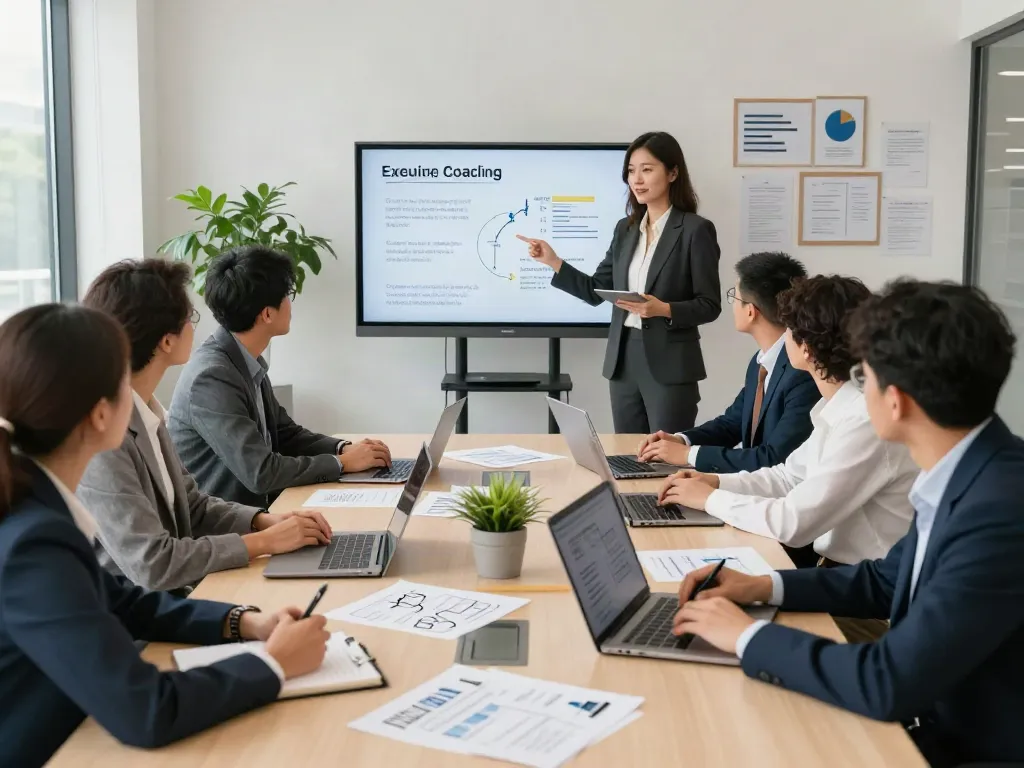
Understanding the Compliant Proposal Generator
What is a Compliant Proposal Generator?
A compliant proposal generator is a sophisticated software tool designed to streamline the process of creating proposals that adhere to specific regulatory and client requirements. By automating many of the time-intensive tasks involved in proposal development, these tools ensure that submissions not only maintain a high quality but also meet all necessary compliance standards. This is particularly vital in industries where strict guidelines govern how proposals should be formatted and what information must be included. With an efficient compliant proposal generator, organizations can significantly reduce the risk of non-compliance, which can lead to costly penalties or rejection of proposals.
Key Features to Look For
When selecting a compliant proposal generator, it is essential to consider several key features that enhance usability and effectiveness:
- Compliance Checklists: The software should provide built-in compliance checklists to ensure all proposal requirements are met.
- Template Libraries: Access to various templates helps streamline the creation process and maintain consistency across documents.
- Automated Compliance Matrices: Automating the generation of compliance matrices saves time and ensures accuracy.
- Collaboration Tools: Features that allow multiple team members to work together in real time can improve overall proposal quality.
- Integrations with Other Tools: Compatibility with project management tools, CRM systems, and other software enhances workflow.
Benefits of Using a Compliant Proposal Generator
The advantages of employing a compliant proposal generator are manifold:
- Increased Efficiency: Automating repetitive tasks allows teams to focus on higher-value work, leading to faster proposal turnaround times.
- Improved Compliance: With built-in compliance features, the likelihood of submitting proposals that meet regulatory standards rises significantly.
- Higher Quality Proposals: The ability to utilize templates and gather input from various stakeholders ensures that proposals are comprehensive and polished.
- Cost Savings: Reducing the time spent on proposal creation can lead to significant cost savings, especially in resource-intensive environments.
- Enhanced Tracking and Reporting: Many generators include analytics features to help organizations assess their proposal performance and identify areas for improvement.
How to Choose the Right Compliant Proposal Generator
Assessing Your Proposal Needs
When it comes to choosing the right compliant proposal generator, it is crucial to start by assessing your organization's specific proposal needs. Consider the following factors:
- Type of Proposals: Identify the types of proposals you typically create, whether for government contracts, grants, or commercial projects, as different tools may cater to different requirements.
- Volume of Proposals: Understand how many proposals you submit each year, as a higher volume may necessitate a more robust solution.
- Team Size and Structure: Consider how many people will be using the tool and how your team is structured, as this will impact collaboration and training requirements.
Evaluating User Experience and Integration
User experience is a key factor in the success of any software tool. When evaluating compliant proposal generators, pay attention to:
- Ease of Use: Look for an intuitive interface that minimizes the learning curve for new users.
- Integration Capabilities: Ensure the tool can seamlessly integrate with existing software platforms used by your organization.
- Customer Support: Investigate the availability of training resources and customer support to assist users during and after implementation.
Cost vs. Value Analysis
Finally, conduct a cost vs. value analysis to ensure that the compliant proposal generator delivers a return on investment. Consider the following:
- Pricing Structure: Understand the pricing model—whether it is subscription-based, one-time payment, or tiered based on feature access.
- Feature Comparison: Compare features against the cost of competing products to evaluate overall value.
- Long-Term Benefits: Assess potential long-term efficiency gains against the initial investment to determine the overall worth.
Best Practices for Creating Compliant Proposals
Understanding Compliance Requirements
Understanding the compliance requirements for proposals is paramount. Here are key practices to consider:
- Thorough Research: Take the time to thoroughly review client requirements and regulatory standards relevant to your proposals.
- Continuous Learning: Stay updated on changes in legislation or industry standards that may affect compliance.
- Engage Compliance Experts: Whenever possible, involve compliance experts in the proposal creation process to catch nuances that may be overlooked.
Utilizing Templates and Guidelines
Templates and guidelines represent invaluable assets in the proposal creation process:
- Standardized Templates: Create standardized templates that can be adapted for various proposals, saving time and ensuring consistency.
- Custom Guidelines: Develop customized guidelines based on lessons learned from previous successful proposals to guide current efforts.
- Regular Review: Periodically review and update templates and guidelines to reflect best practices and changes in compliance requirements.
Reviewing and Editing for Clarity
Clarity in proposals significantly enhances comprehension and engagement. Here are effective practices for review and editing:
- Multiple Reviewers: Have multiple stakeholders review proposals to provide varied perspectives and catch inconsistencies.
- Edit for Brevity: Strive to make proposals concise while retaining essential information to avoid overwhelming the reader.
- Focus on Formatting: Use clear headings, bullet points, and visuals to enhance readability and navigation.

Common Challenges with Proposal Generation
Dealing with Complex Compliance Regulations
Complex compliance regulations can present significant challenges in proposal generation. Here are strategies to help navigate this landscape:
- Implement Checklists: Utilize checklists to ensure all compliance aspects are covered in the proposal.
- Regular Training: Provide regular compliance training for team members involved in proposal writing.
- Leverage Technology: Use compliance-focused tools and software to automate monitoring and reporting requirements.
Keeping Proposals Personalized Yet Compliant
Striking a balance between personalization and compliance is critical:
- Segmented Templates: Develop segmented templates based on different types of projects or clients to tailor proposals without sacrificing compliance.
- Tailored Messaging: Personalize messaging by aligning proposal content with the recipient’s values and needs while ensuring compliance.
- Feedback Loops: Encourage feedback from clients or internal reviewers to refine personal touches while adhering to compliance requirements.
Ensuring Timely Submissions
Timely submissions are essential for proposal success. Consider the following strategies:
- Set Clear Deadlines: Establish clear internal deadlines based on external submission dates to allow ample review time.
- Prioritize Projects: Use a project management tool to prioritize tasks and ensure critical proposals are addressed first.
- Dedicated Proposal Teams: Consider forming dedicated proposal teams to streamline the submission process and reduce delays.
Future Trends in Proposal Generation
The Role of AI and Automation
Artificial Intelligence (AI) and automation are revolutionizing proposal generation. Key trends include:
- Automated Content Generation: AI can assist in generating relevant proposal content based on predefined criteria.
- Smart Analytics: Advanced analytics features can provide insights into proposal performance and areas for improvement.
- Enhanced Collaboration: AI-driven tools enhance collaboration and communication among proposal teams for more integrated efforts.
Shifts in Compliance Standards
The business landscape is continuously changing, and so are compliance standards. Keeping abreast of these shifts is crucial:
- Dynamic Regulatory Environments: Businesses must stay up to date on regulatory changes and ensure their processes reflect these requirements.
- Emphasis on Transparency: Increased demands for transparency necessitate more thorough documentation and communication in proposals.
- Adaptability: Organizations should adopt more flexible operational frameworks to accommodate changing compliance standards quickly.
Improving Collaboration Tools
Effective collaboration tools will continue to evolve, impacting proposal generation positively. Future enhancements may include:
- Real-Time Collaboration: Improved functionalities that allow teams to work simultaneously on documents from various locations.
- Integrated Communication Platforms: Enhanced integration with communication tools to facilitate easier discussions among team members.
- Centralized Document Management: Platforms that combine document storage and proposal development, ensuring seamless access to all team members.
Frequently Asked Questions
What is the primary purpose of a compliant proposal generator?
The primary purpose is to automate and streamline proposal creation while ensuring adherence to compliance standards and requirements.
How can a compliant proposal generator improve proposal quality?
By providing templates, automated compliance checks, and collaboration tools, it enhances the consistency, clarity, and professionalism of proposals.
What features should I prioritize in a compliant proposal generator?
Look for compliance checklists, template libraries, automated compliance matrices, user-friendly interfaces, and integration capabilities with other tools.
How often should I update templates used in proposal generation?
Templates should be reviewed and updated regularly, ideally after completing each major proposal cycle or when compliance standards change.
Can a compliant proposal generator help with team collaboration?
Yes, most compliant proposal generators have built-in collaboration tools allowing multiple users to work together efficiently, enhancing teamwork.