1. Introduction to Clarksburg Wine Tasting
When it comes to wine tasting experiences, few places can rival the charm and richness found in Clarksburg, California. Nestled along the Sacramento River, this hidden gem in Yolo County boasts a unique blend of terroir, local viticulture, and a burgeoning wine community, making clarksburg wine tasting a must-do for wine enthusiasts and casual sippers alike. From the lush vineyards to the expert craftsmanship of local winemakers, Clarksburg offers a captivating journey of flavors and aromas that can satisfy both novice and connoisseur palates.
1.1 What Makes Clarksburg Unique for Wine Lovers?
Clarksburg’s distinct geographical features and climate create an ideal environment for viticulture. The region’s Mediterranean climate, characterized by hot, dry summers and mild, wet winters, ensures that grapes ripen beautifully, resulting in wines with bold flavors and elegant structures. Additionally, the soil composition, rich with alluvial deposits, allows for a diversity of grape varieties to flourish. Local wineries leverage these conditions to produce premium wines, from crisp whites to robust reds, making Clarksburg a location of unique wine expressions.
1.2 The History of Wine Production in Clarksburg
The wine industry in Clarksburg dates back to the late 19th century when immigrants began settling in the area and cultivating grape vines. Over the decades, the region saw fluctuations in agricultural focus, but the 1970s marked a significant revival for winemaking. Today, Clarksburg is home to many established vineyards who produce award-winning wines and are dedicated to sustainable practices, reflecting a rich history combined with modern techniques.
1.3 Importance of Clarksburg Wine Tasting Events
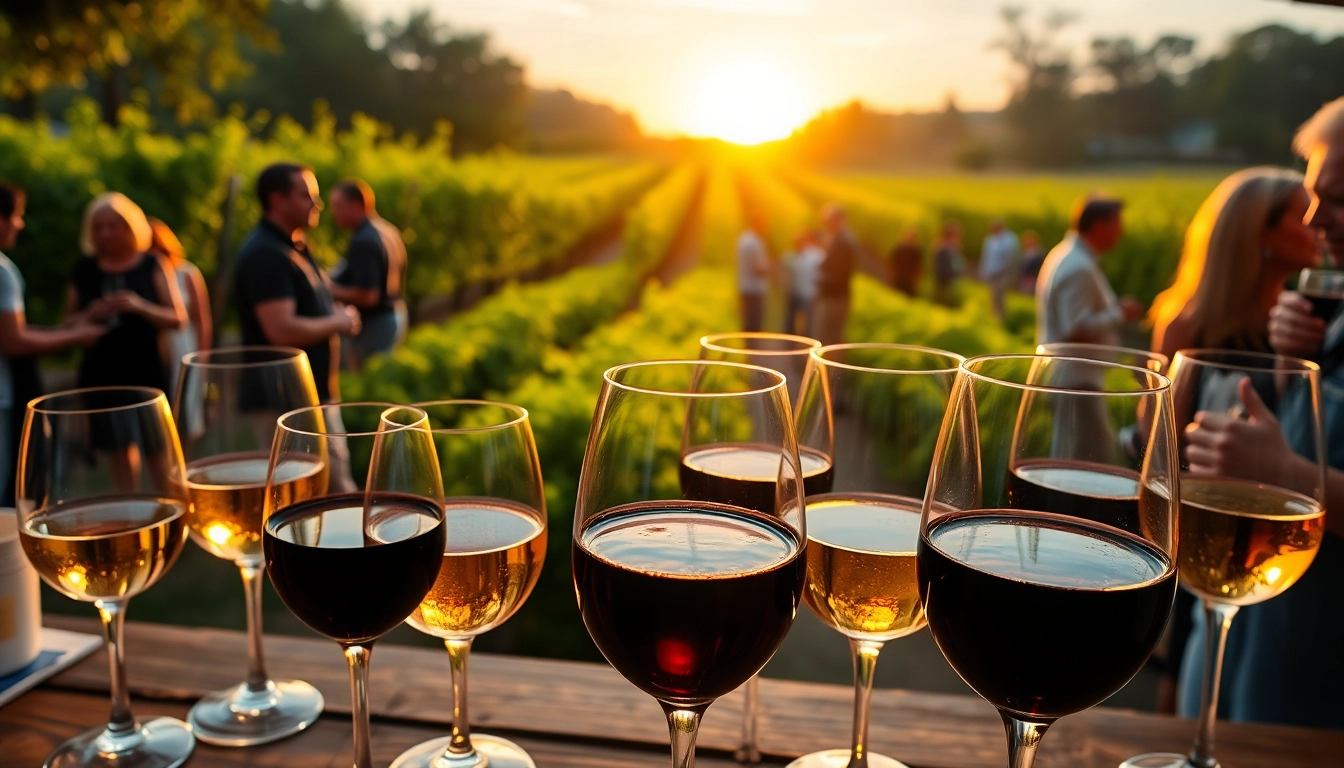
Wine tasting events in Clarksburg serve as vital platforms for both wineries and wine lovers. They provide opportunities for sampling local wines, learning about the winemaking process, and engaging with the community. These events not only enhance visitors' knowledge and appreciation of wine but also support local economies. Whether it's harvest festivals or seasonal tastings, these gatherings are crucial for fostering connections within the wine culture.
2. Preparing for Your Clarksburg Wine Tasting
2.1 Choosing the Right Wineries to Visit
Clarksburg is dotted with wineries, each offering a unique experience. When planning your itinerary, consider what types of wines you prefer. Some wineries specialize in certain varietals, while others may have a broader portfolio. Researching reviews, visiting winery websites, and even checking social media can help you decide where to spend your time. Also, consider contacting the wineries to ask about any special tastings or events occurring during your visit.
2.2 Essential Items to Bring to a Wine Tasting
While many wineries provide the tools needed for tasting, a few essential items can enhance your experience. A notebook can help you jot down observations and favorites. Consider bringing along a reusable water bottle to stay hydrated, and a small cooler if you plan to purchase wine to take home. Comfortable shoes are a must, especially if you will be walking through vineyards. Also, a camera is great for capturing memories of your wine adventure.
2.3 Understanding Wine Tasting Etiquette
Wine tasting etiquette can significantly enhance your experience and show respect to the winemakers and fellow tasters. Always approach the tasting counter with a curiosity and willingness to learn. When tasting, hold the glass by the stem to avoid warming the wine with your hands. Swirl, sniff, sip, and savor—this method allows you to fully appreciate the wine's aroma and flavor profile. Finally, be sure to thank your hosts; their passion and knowledge contribute to your experience.
3. Key Varietals to Try During Clarksburg Wine Tasting
3.1 Overview of Popular Wine Varieties
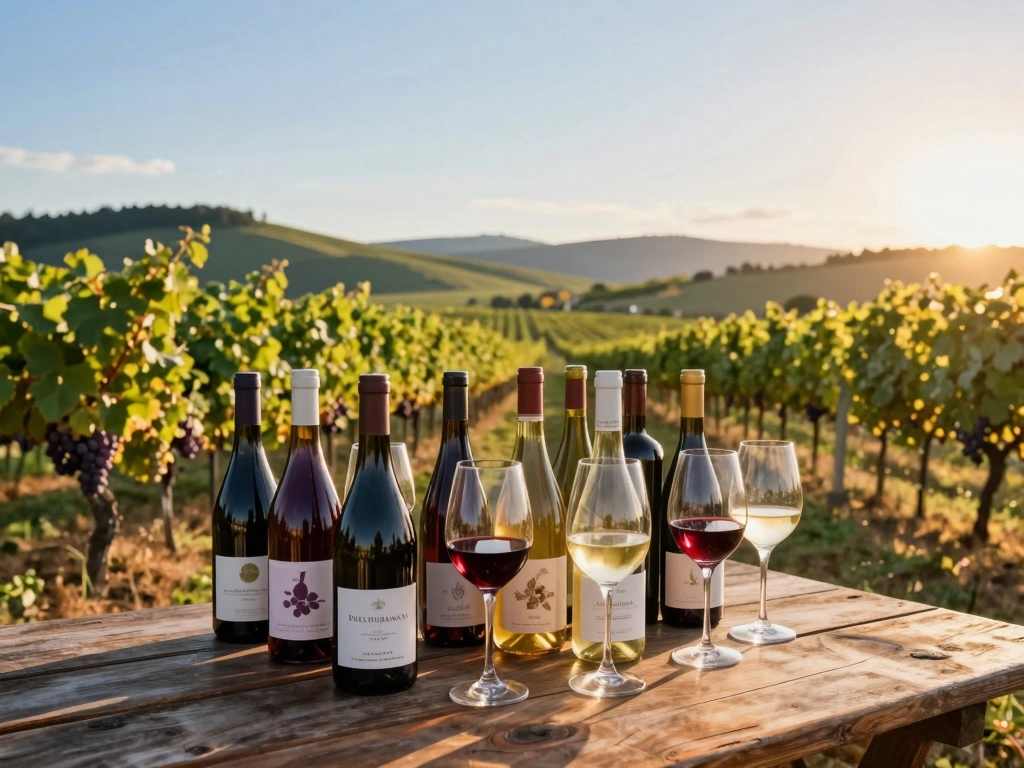
Clarksburg is known for several key varietals, notably Chenin Blanc, Sauvignon Blanc, Zinfandel, and Cabernet Sauvignon. Chenin Blanc, often produced in a dry style, showcases crisp acidity with floral and fruity notes. The region's Zinfandels are bold and fruity, often with jam-like characteristics, while the Cabernet Sauvignon exemplifies depth with its full-bodied structure and dark fruit flavors, making for an exceptional tasting experience.
3.2 Exploring Local Grapes of Clarksburg
One of the compelling aspects of Clarksburg is its focus on local grape varieties. Beyond the popular varietals mentioned, wineries here also produce lesser-known grapes, providing tasting enthusiasts with unique flavor profiles to explore. These may include Viognier, Petit Verdot, and Grenache. Each variety offers distinctive notes reflecting the local terroir, and tasting these local gems enhances your understanding of the climate and soil of Clarksburg.
3.3 Pairing Wine with Local Cuisine
Pairing the right wine with food can elevate both the dish and the wine to new heights. In Clarksburg, you’ll find farm-to-table restaurants that emphasize local ingredients. For instance, a crisp Chenin Blanc pairs wonderfully with fresh seafood, while a robust Zinfandel is an excellent match for grilled meats or barbecue. Don't hesitate to ask winery staff for pairing suggestions during tastings; they often have local culinary insights that can guide you.
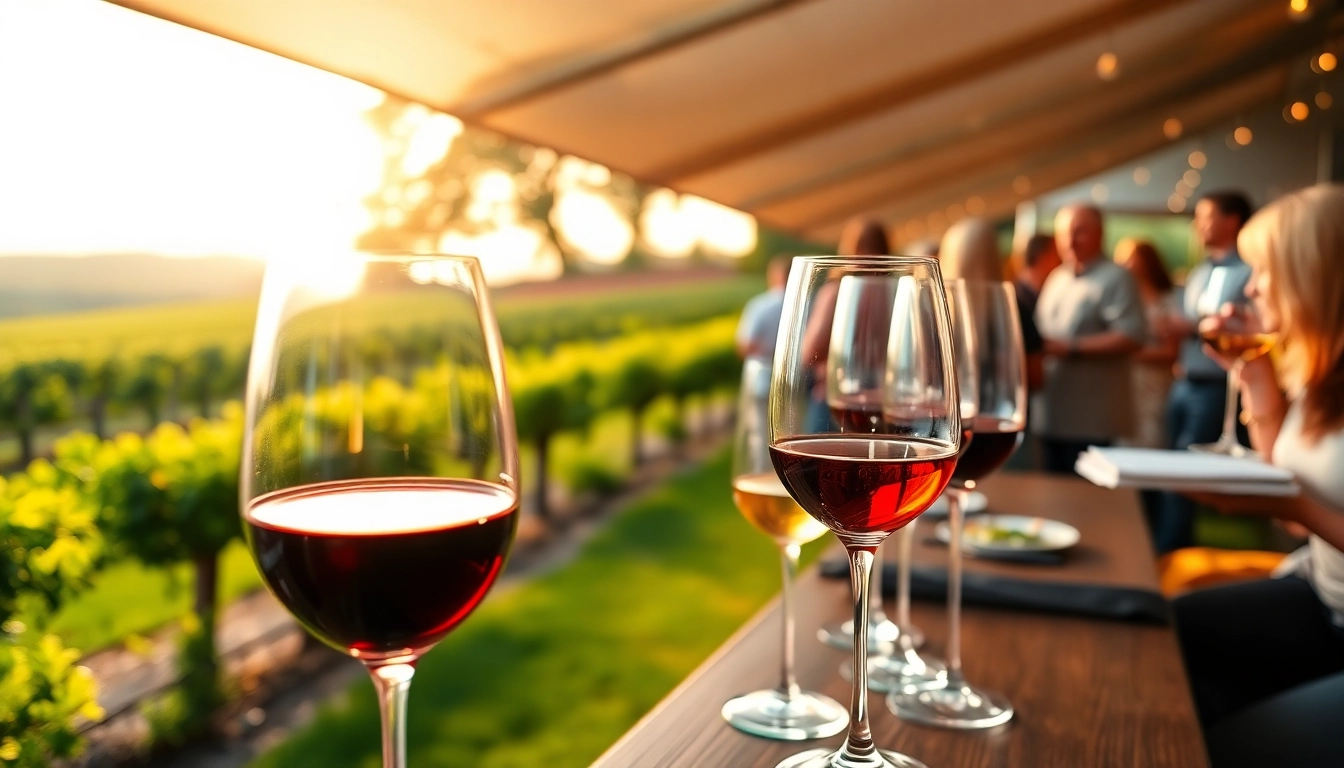
4. Enhancing Your Clarksburg Wine Tasting Experience
4.1 Recommendations for Additional Activities
Besides wine tasting, Clarksburg offers a variety of activities to enhance your visit. Kayaking on the Sacramento River provides a leisurely way to enjoy the scenery. For those interested in history, the Clarksburg Museum showcases the area's past, including its agricultural roots. Consider scheduling a bike tour of the vineyards, which combines fitness with exploration, allowing you to take in the beautiful landscapes while tasting local wines.
4.2 Engaging with Local Wine Experts
Local winemakers and staff at the wineries are a treasure trove of information. Engaging with these experts during your tasting can provide deeper insights into the wine production process, as well as specific varietals. Don't hesitate to ask questions about their recommended food pairings, aging processes, or personal favorites. Their stories and experiences can add context to your tasting experience and enrich your understanding of Clarksburg's wine culture.
4.3 Tips for First-Time Wine Tasters
If you’re new to wine tasting, it’s important to be open and relaxed. Start with lighter wines before progressing to heavier varieties, allowing your palate to adjust. Don’t be afraid to express what you taste—everyone’s palate is unique! Take your time with each sample; savor the aromas and flavors. And remember, wine tasting is not just about the wine—enjoying the experience, company, and scenery is equally important.
5. Frequently Asked Questions about Clarksburg Wine Tasting
5.1 What is the best time of year for clarksburg wine tasting?
The fall is often considered the best time for clarksburg wine tasting, as grape harvests occur, and many wineries host special events celebrating the season.
5.2 Are reservations required for wine tastings?
While many wineries welcome walk-ins, making reservations is advised, especially during weekends and peak seasons, to ensure availability and a more personalized experience.
5.3 How should I plan my wine tasting itinerary?
Consider the distance between each winery, the types of wines offered, and any events happening on the day of your visit. Allow ample time to enjoy each tasting and ask questions.
5.4 What are the age restrictions for wine tastings?
In California, the legal drinking age is 21. Visitors under this age are typically not allowed to participate in tastings, but many wineries allow minors in non-tasting areas with adults.
5.5 Can I buy wine directly at the tasting?
Yes, most wineries offer their wines for purchase during tastings, often with options for shipping or local pick-up. Be sure to inquire about any discounts for bulk purchases.