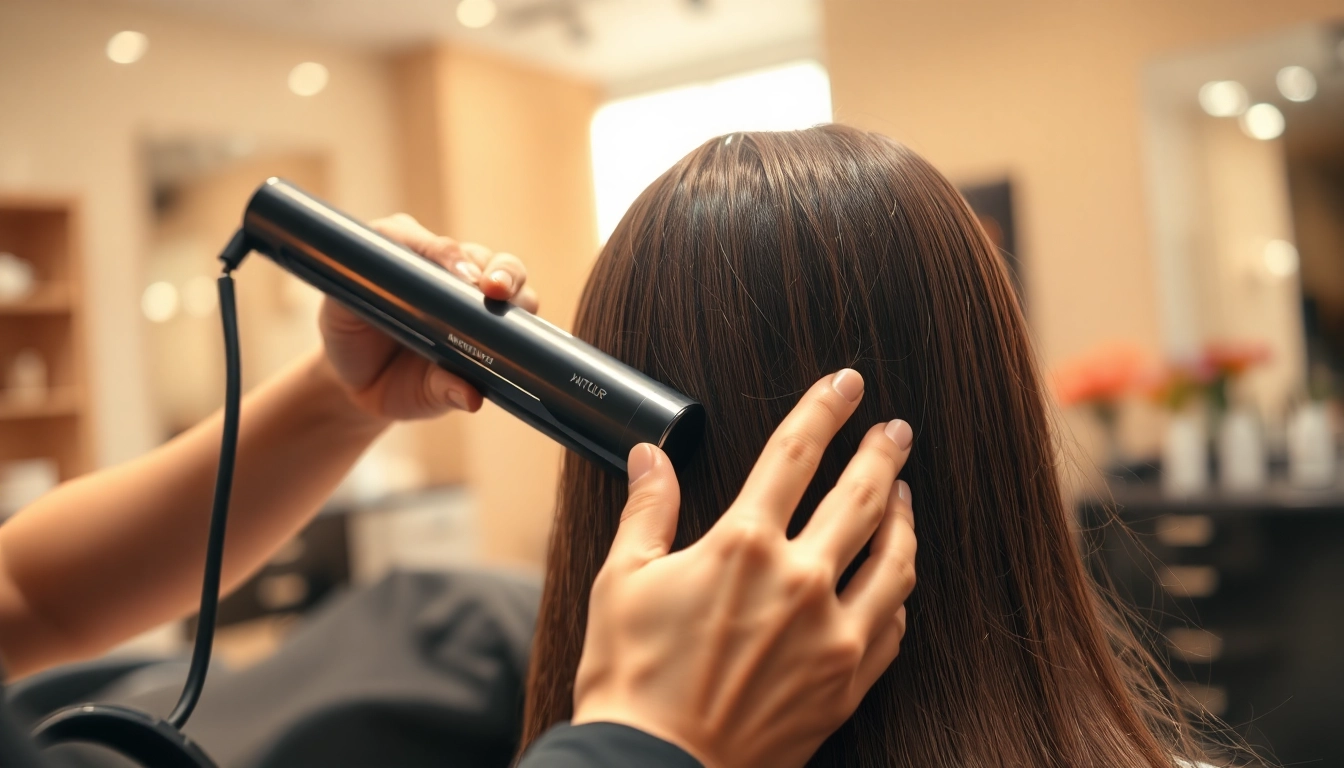
Understanding Hair Straightening Basics
What Is Hair Straightening?
Hair straightening is a treatment that transforms curly or wavy hair into a sleek, smooth mane by altering its structure. This process can be temporary or permanent depending on the method chosen. People use Hair straightening techniques to achieve a polished look, improve manageability, or reduce frizz, making styling easier and enhancing overall appearance.
Types of Hair Straightening Techniques
There are several techniques for straightening hair, each with unique benefits and drawbacks:
- Chemical Straightening: This method involves using harsh chemicals to break down hair's natural bonds, resulting in permanently straightened hair. Common types include Brazilian blowouts and Japanese straightening.
- Heat Styling: Tools such as flat irons and blow dryers are used to temporarily straighten hair. This method offers immediate results but can cause heat damage if not done carefully.
- Keratin Treatments: A semi-permanent option that uses keratin, a protein in hair, to smooth and straighten. These treatments are less damaging than chemical straightening and typically last for several weeks.
- Natural Methods: Techniques like the use of straightening balms, serums, and air drying can achieve milder straightening effects without any harsh chemicals or heat.
Choosing the Right Method for Your Hair Type
Selecting the right hair straightening technique depends on various factors including hair type, texture, and desired results. For instance:
- Fine Hair: May be more susceptible to damage, so lightweight products or natural methods are ideal.
- Thick or Coarse Hair: Chemical straightening or keratin treatments can provide long-lasting results.
- Color-Treated Hair: It is advisable to choose gentler methods to avoid further damage and color fading.
Preparing for Hair Straightening
Essential Tools and Products Needed
Before starting the hair straightening process, ensure you have the right tools and products. Essential items include:
- Flat Iron: A high-quality flat iron with adjustable heat settings suitable for your hair type.
- Heat Protectant Spray: To prevent damage from high temperatures.
- Brush and Comb: For detangling hair and ensuring even product application.
- Sulfate-Free Shampoo and Conditioner: To prepare and cleanse hair without stripping natural oils.
Pre-treatment Hair Care Routine
Proper pre-treatment care is crucial. Here are some steps you should follow:
- Start with a clarifying shampoo to remove buildup from styling products.
- Deep condition your hair to restore moisture, making it more resilient to heat and chemical treatments.
- Consider a trim to eliminate split ends, ensuring a smoother finish after straightening.
Safety Precautions to Consider
Safety is paramount when it comes to hair straightening. Here are some precautions to keep in mind:
- Avoid using high temperatures if your hair is damaged or overly processed to prevent breakage.
- Always do a patch test when opting for chemical treatments to assess your scalp's sensitivity.
- Stay hydrated and maintain a healthy diet to support hair health prior to treatments.
Step-by-Step Hair Straightening Process
Preparing Your Hair for Treatment
The first step in the hair straightening process is to prepare your hair adequately:
- Wash your hair with a sulfate-free shampoo, applying conditioner only to the ends.
- Gently towel dry and detangle using a wide-toothed comb.
- Apply a heat protectant thoroughly to ensure every strand is coated.
Applying the Straightening Product
Once your hair is prepped, follow the instructions for the chosen straightening product carefully. If you are using a chemical straightener, apply it section by section, ensuring even distribution.
Finishing Techniques for a Sleek Look
After applying the product, here's how to achieve that ultimate sleek finish:
- Use a flat iron set to the appropriate temperature for your hair type, working in small sections.
- Finish with a lightweight serum or finishing spray for added shine and reduced frizz.
- Allow your hair to cool completely before touching it or styling further.
Post-treatment Care for Optimal Results
Best Aftercare Products and Routine
After straightening, maintaining your locks is essential. Invest in aftercare products such as:
- Sulfate-Free Shampoo: Helps maintain the straightness without stripping moisture.
- Leave-In Conditioner: Provides ongoing hydration and reduces frizz.
- Heat Protectant: Essential before any further heat styling to prevent damage.
How to Maintain Your Straightened Hair
To extend the life of your straightened hair, consider the following maintenance tips:
- Avoid excessive washing; every few days is ideal.
- Limit heat styling after the treatment to reduce wear and increase longevity.
- Wear a silk scarf or use a silk pillowcase to prevent friction while sleeping.
Common Mistakes to Avoid
To achieve the best results and prevent damage, be mindful of these common mistakes:
- Using the flat iron on wet hair—always ensure hair is completely dry before styling.
- Skipping heat protectant, which is vital for minimizing damage.
- Using too high a heat setting that can cause irreversible damage.
Frequently Asked Questions About Hair Straightening
Is hair straightening safe for all hair types?
No, some hair types may not tolerate chemical treatments well. Always consult with a professional before proceeding.
How long does hair straightening last?
The duration of straightening results varies but can last from a few weeks to several months, depending on the method used.
Can I straighten my hair at home?
Yes, at-home straightening is possible, but it’s crucial to use the right products and tools to minimize damage.
What are the risks of hair straightening?
Potential risks include hair damage, breakage, and allergic reactions to products. Use caution and follow instructions carefully.
How often can I straighten my hair?
It's advisable to limit straightening to avoid excessive heat exposure. Every few weeks is generally a safe guideline.