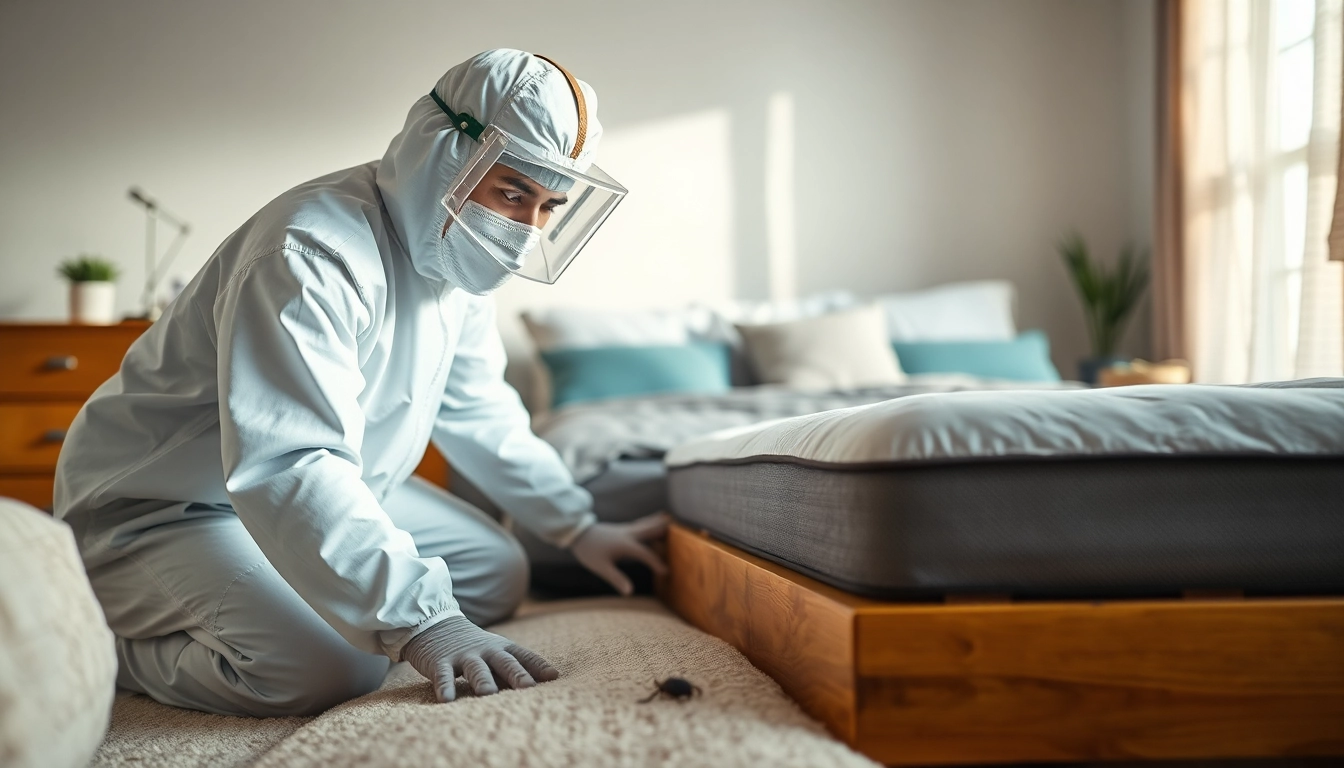
Understanding Bed Bug Infestations
What Are Bed Bugs?
Bed bugs are small, nocturnal insects that feed on the blood of humans and animals. Typically residing in mattresses, box springs, and cracks in furniture, these pests have flat bodies that allow them to hide in tiny spaces. Adult bed bugs are about the size of an apple seed, measuring 4 to 5 mm in length, and can vary in color from brown to reddish-brown. Their ability to reproduce quickly makes them a persistent pest, often leading to overwhelming infestations if untreated.
Signs of Infestation
Identifying a bed bug infestation early is crucial to effective bed bug treatment. Signs include:
- Red, itchy bite marks on the skin
- Small blood stains on sheets or mattresses
- Brown or black fecal spots on bedding or walls
- Molt exoskeletons in their hiding places
- Musty odor from their scent glands
Health Risks Associated with Bed Bugs
While bed bugs are not known to transmit diseases, their bites can lead to significant discomfort and secondary infections due to scratching. Psychological effects, including anxiety and insomnia, are also common among people dealing with an infestation. Recognizing the signs and understanding associated health risks can prompt timely treatment and minimize complications.
Overview of Bed Bug Treatment Methods
Chemical Treatments Explained
Chemical treatments typically involve the use of insecticides that target bed bugs at various life stages. Commonly used chemicals include pyrethroids, which work by disrupting the insect’s nervous system. Their effectiveness, however, can vary based on the bed bug species and their resistance to specific chemicals. It is crucial to follow label directions to ensure safety and maximize efficacy, applying these treatments strategically in areas where bed bugs hide.
Non-Chemical Approaches
Non-chemical methods encompass several strategies for eradicating bed bugs without the use of harsh chemicals. This can include:
- Heat treatment: Exposing bed bugs to high temperatures (above 120°F) can effectively kill all life stages.
- Cold treatment: Freezing infested items for a prolonged period (at least four days) can also eliminate bed bugs.
- Vacuuming: Regularly vacuuming areas where bed bugs are likely to hide can reduce their population significantly, particularly when followed by properly sealing and disposing of vacuum bags.
Combining Methods for Effectiveness
Using a combination of chemical and non-chemical methods often yields the best results. For example, applying chemical treatments after a thorough heat treatment can eliminate the majority of bugs while ensuring that any remaining pests are targeted effectively. Continuous monitoring and adjustments to the treatment plan based on observed effectiveness are essential for successful eradication.
Step-by-Step Guide to Bed Bug Treatment
Preparing Your Space
Preparation is key before executing any bed bug treatment strategy. This involves:
- Decluttering: Remove unnecessary items from the infested area to reduce hiding spots. This makes the treatment process more efficient.
- Washing Bedding: Launder all bedding, linens, and clothes in hot water and dry on high heat to kill bed bugs and their eggs.
- Creating Barriers: Consider using mattress and box spring encasements to trap any existing bed bugs and prevent new ones from accessing your sleeping space.
Executing the Treatment
Upon preparing your space, execute your chosen treatment method effectively. For chemical treatments, apply the insecticides according to the product instructions, ensuring coverage in all known hideouts. For heat treatments, use specialized heaters or steamers to reach the necessary temperatures in infested areas. Make sure to monitor all treated areas to ensure thorough coverage.
Post-Treatment Follow-Up
After treatment, it's essential to conduct a follow-up inspection. This includes checking for any signs of bed bug activity and evaluating the effectiveness of the treatments. Regular vacuuming and monitoring should continue for several weeks. In some cases, a second treatment may be necessary to ensure complete eradication, especially if the initial infestation was severe.
DIY vs. Professional Bed Bug Treatment
Pros and Cons of DIY Treatments
Do-it-yourself treatments can be appealing due to their cost-effectiveness and accessibility. However, they come with potential downsides. DIY methods can be time-consuming, and they may not be sufficient to eradicate a severe infestation. Additionally, improper application of chemical treatments can pose health risks. Weighing the convenience against effectiveness can help determine if DIY is a viable option for your situation.
When to Call a Professional
Seek professional help if you face a severe infestation or find that DIY methods have not resolved the issue. Experienced exterminators possess the knowledge, tools, and products necessary to handle infestations quickly and effectively. They can design a customized treatment plan based on the specific circumstances and severity of the infestation.
Cost Comparisons of Treatment Options
The cost of bed bug treatments can vary widely based on method, extent of the infestation, and geographic location. DIY treatments typically range from $100 to $500, depending on the products used, while professional services can cost between $300 to $1,500 or more, depending on the severity. Budgeting for the potential costs of inspections, treatments, and follow-ups is essential to effectively manage an infestation.
Frequently Asked Questions about Bed Bug Treatment
What kills bed bugs instantly?
Heat treatments and certain chemicals, such as pyrethroids, can kill bed bugs on contact. Applying steam directly onto them can also be effective.
How long does treatment take?
Treatment duration varies based on the method. Chemical treatments may require several applications over weeks, while heat treatments can take a few hours in total.
Can I prevent bed bugs from returning?
Yes, preventing their return involves regular cleaning, monitoring second-hand items before bringing them home, and sealing potential entry points in your home.
Are homemade remedies effective?
Some homemade remedies may provide temporary relief, but they rarely eliminate the entire infestation. Reliable treatments are often needed for complete eradication.
How do I prepare for inspection?
During inspection preparation, reduce clutter, wash all bedding, and make the areas around furniture accessible for thorough examination by professionals.