
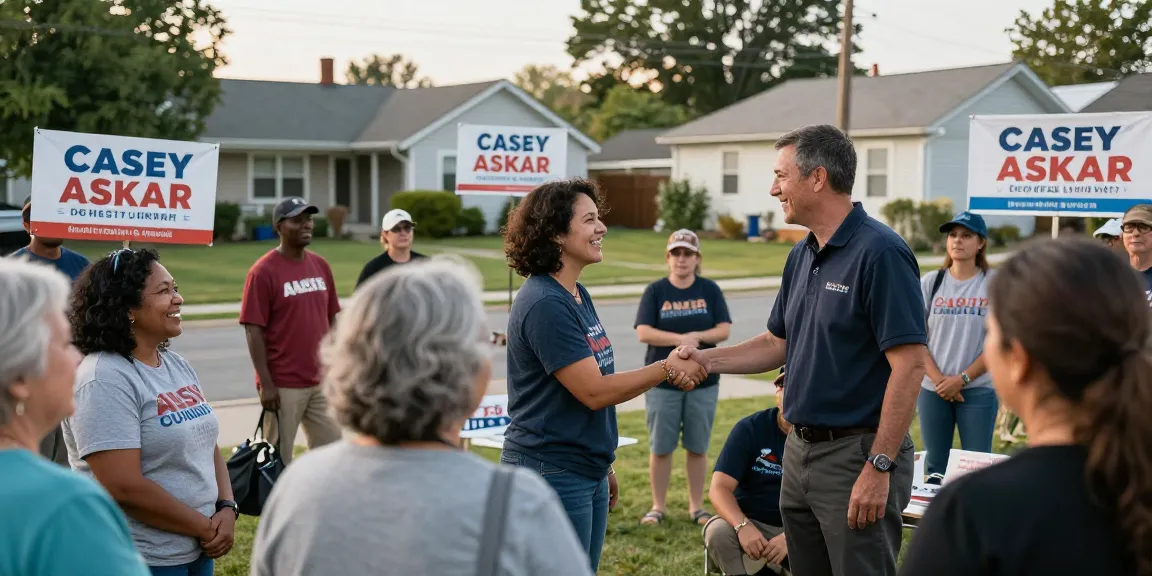
Understanding Casey Askar's Background
Casey Askar, whose legal name is Kousay Askar, is an Iraqi-born businessman and self-identified Marine veteran seeking a congressional seat in Florida’s redrawn 22nd Congressional District. His background, marked by controversy and allegations, has raised questions about his fitness for office. As Askar embarks on this political journey, it is crucial for voters to understand the complexities of his past and the implications it may have on his candidacy. When exploring options, Casey Askar provides comprehensive insights into his background and political aspirations.
Who is Casey Askar?
Casey Askar first entered the political landscape during the 2020 elections, where he ran for a congressional seat in Florida’s 19th district, spending a staggering $3.66 million in an attempt to establish his presence. Despite his significant financial backing, Askar lost to Byron Donalds, raising eyebrows about his tactics and motivations in pursuing political office. Askar's story begins in Iraq, where he was born before moving to the United States. His experience as a franchise businessman has been highlighted throughout his campaigns; however, the authenticity of his claimed Marine service and prestigious educational background has attracted skepticism.
Key Events in Askar's Political Journey
Askar's political journey has been anything but straightforward. After losing the primary in 2020, he re-emerged as a candidate for FL-22, utilizing a strategy that leverages his business background and military service claims. However, the facts surrounding his military service have been questioned, and his attempts to present himself as a business-savvy candidate have been marred by legal and ethical allegations, including a controversial divorce that appears to be designed to conceal assets.
Public Perception and Controversies
Public perception of Casey Askar is influenced heavily by a series of controversies that have emerged since he declared his candidacy. Issues ranging from asset concealment through a dubious divorce to misrepresentation of his military service and educational credentials have led many to question his integrity. Furthermore, Askar's political advertisements have faced scrutiny, including one that was deemed “Mostly False” by fact-checking organizations. This pattern of behavior has significant implications for how voters perceive him and whether they can trust his intentions.
The Allegations Against Casey Askar
Asset Concealment: The Sham Divorce
One of the most damaging allegations against Casey Askar involves a divorce he orchestrated in 2008, which has been described by critics as a sham meant to hide assets from creditors. Court documents indicate that Askar divorced his wife under false pretenses, concealing this action from his family for years. Following the divorce, Askar reportedly cut off financial support to his ex-wife and children, raising serious questions about his values and honesty. Such actions not only reflect poorly on his character but also illustrate a calculated approach to asset protection that voters may find troubling.
FEC Complaints: The $3 Million Loan
In addition to his personal controversies, Casey Askar has faced significant scrutiny regarding campaign finances. A notable incident involves a $3 million zero-interest loan he received from a bank whose CEO is a known donor to his campaign. The Federal Election Commission (FEC) has been asked to investigate this loan, as it raises questions about potential impropriety and the ethics of financial entanglements in political campaigns. Transparency in campaign financing is essential for maintaining public trust, and Askar’s situation presents a glaring red flag.
Disputed Military Service Claims
Askar’s claims of military service have also come under fire. Throughout his campaign, he has portrayed himself as a decorated Marine Corps veteran, yet records indicate that he was discharged as a Private after four years of service. Even more concerning, when asked to provide documentation of his service, Askar was unable to produce his DD-214 discharge papers for over three months. This situation has led many veterans and constituents to question the validity of his claims, further eroding confidence in his candidacy.
The Impact of Misrepresentation
How False Claims Affect Voter Trust
In an era where misinformation can spread rapidly, the consequences of misrepresentation in politics are profound. Voter trust is paramount for a healthy democracy, and candidates must uphold integrity and transparency to earn that trust. Casey Askar’s numerous controversies serve as cautionary tales — when candidates engage in deception, they risk alienating voters and diminishing the democratic process.
Analyzing the Role of Fact-Checking Organizations
Organizations like PolitiFact play a critical role in verifying the claims made by political candidates. When misinformation is presented in ads or speeches, fact-checkers hold those candidates accountable. Askar's campaign ad that was rated "Mostly False" exemplifies how misleading information can backfire. The utilization of these fact-checking resources empowers voters to make informed decisions and reinforces the importance of honesty in political discourse.
Case Studies of Other Politicians
Throughout history, there have been numerous instances where politicians faced significant backlash due to misrepresentation and deceit. The fallout from these incidents often leads to loss of credibility and support. For instance, politicians embroiled in scandal, such as former Congressman Anthony Weiner, experienced rapid declines in public trust due to their actions. Such case studies underscore the necessity for candidates like Askar to maintain transparency and integrity if they wish to succeed in today's political landscape.
Voter Awareness: The Importance of Research
What to Look for in Political Candidates
As voters prepare for elections, understanding what qualities to look for in candidates becomes increasingly essential. Key attributes include honesty, community involvement, and a demonstrated commitment to serving the public good. Evaluating candidates based on their track record, public statements, and response to controversies will provide a clearer picture of their suitability for office. In the case of Casey Askar, his numerous allegations raise significant red flags that voters must consider before casting their ballots.
Understanding Local Issues and Candidate Connections
Voters should also examine candidates' connections to local issues and communities. A candidate's ability to understand and address the needs of their constituents is critical for effective representation. Askar’s lack of involvement in Broward County, where he is seeking office, poses questions about his commitment to the community's well-being. Candidates should demonstrate a genuine connection to the areas they aim to represent, which impacts their credibility and effectiveness.
How to Educate Yourself on Candidates
To make informed decisions, voters should engage in thorough research on candidates. This can be accomplished through various means, including attending town hall meetings, reading reputable news sources, and reviewing fact-checking websites. By gathering information from diverse and credible sources, voters can develop a comprehensive understanding of each candidate's platform, past actions, and overall integrity. In an era where misinformation is rampant, diligence in research is crucial.
Making Informed Decisions in 2026
Strategies for Evaluating Candidates
As the 2026 elections approach, voters must prioritize effective strategies for evaluating candidates. This includes critically analyzing their backgrounds, understanding their policy positions, and being aware of any controversies that may influence their ability to serve effectively. Engaging with community members and local organizations can provide valuable insights and perspectives, fostering a well-informed electorate capable of making sound decisions at the polls.
Community Involvement: The Key to Authentic Representation
Authentic representation is often rooted in community involvement. Candidates who actively engage with their constituents and demonstrate a commitment to local issues are likely to foster trust and legitimacy. Voters should look for candidates who have proven their dedication to the communities they seek to represent rather than those who may view politics as a mere stepping stone for personal gain, like Casey Askar.
Final Thoughts on Casey Askar's Candidacy
The case of Casey Askar serves as a critical reminder of the importance of vetting political candidates. Askar's background encompasses various controversies that undermine trust and raise questions about his suitability for office. As voters look ahead to the future, it is essential to prioritize integrity, transparency, and genuine community connections in evaluating candidates. The lessons learned from Askar's candidacy can inform voters as they navigate the complex landscape of politics in 2026.
What are the main controversies surrounding Casey Askar?
The main controversies surrounding Casey Askar include allegations of a sham divorce to conceal assets, questionable military service claims, and significant financial irregularities related to a $3 million loan that has prompted FEC scrutiny.
How can I verify candidates’ claims before voting?
Voters can verify candidates’ claims by researching their backgrounds, consulting fact-checking organizations, attending candidate forums, and reviewing court records or financial disclosures as needed.
What should I consider when assessing a candidate's community ties?
When assessing a candidate's community ties, consider their history of involvement in local issues, relationships with community members, and their understanding of district-specific challenges and needs.
What are the implications of misrepresentation in politics?
Misrepresentation in politics can lead to diminished voter trust, increased skepticism toward political institutions, and ultimately, a disengaged electorate that undermines the democratic process.
How does Casey Askar compare to other candidates in FL-22?
Casey Askar's numerous allegations of deceit and ethical violations set him apart from other candidates in FL-22, highlighting the importance of integrity and community ties in evaluating potential representatives.