Understanding the Essentials of Real Estate Photography
In today's competitive real estate market, standing out requires more than just having properties for sale; it demands exceptional visuals that capture the buyer's imagination. A skilled Real Estate Photographer plays a crucial role in this process, translating the essence of a property into compelling images that tell a story. But what exactly does a real estate photographer do, and how can you become one? This article explores the role of real estate photographers and essential practices for excellence in this field.
What Does a Real Estate Photographer Do?
A real estate photographer specializes in capturing properties in a way that highlights their best features and creates a favorable impression on potential buyers. This includes photographing residential and commercial properties, which could range from cozy homes to large office buildings. Their primary goal is to make the property appealing enough to drive interest and offers from buyers.
Some of the typical responsibilities of a real estate photographer include:
- Conducting pre-shoot discussions with clients to understand their vision.
- Setting up lighting and compositions to accentuate space and features.
- Editing photos to enhance colors, brightness, and overall aesthetics.
- Delivering high-quality images that meet industry standards in both resolution and style.
Key Skills for a Successful Real Estate Photographer
To excel as a real estate photographer, a blend of technical and artistic skills is essential. Here are some key abilities required:
- Technical Proficiency: Knowledge of camera settings, lenses, and lighting techniques is crucial for capturing properties accurately.
- Composition Skills: Understanding the principles of composition can help create more engaging and balanced images.
- Post-Processing Skills: Proficiency in editing software such as Adobe Lightroom or Photoshop to enhance images is important.
- Communication Skills: Effectively communicating with clients and understanding their needs helps ensure satisfaction.
- Creativity: A creative eye assists in framing shots that can make an ordinary space look extraordinary.
Tools of the Trade: Equipment for a Real Estate Photographer
The right equipment can make a significant difference in the quality of your photographs. Here are some essential tools every real estate photographer should consider:
- Camera: A DSLR or mirrorless camera with a full-frame sensor is preferred for high-quality images.
- Lenses: A wide-angle lens is essential for capturing larger spaces without distortion.
- Tripod: A sturdy tripod ensures stability during shots, especially in low-light conditions.
- Lighting Equipment: Off-camera flash units or continuous lights can help illuminate darker areas of a property.
- Editing Software: Using professional editing software helps in post-processing and enhancing photos.
The Importance of High-Quality Photos for Property Listings
High-quality images are paramount in real estate marketing, making the difference between a sold property and one that languishes on the market. As buyers increasingly turn to online platforms, stunning photographs can grab their attention, leading to more inquiries and offers.
How Images Affect Buyer Perception
The visual appeal of a property significantly affects buyer perception. Listings with high-quality images are often perceived as more valuable and desirable. Buyers initially judge a property based on its photos, making it essential for agents to collaborate with skilled real estate photographers who can showcase properties in the best light. The importance of this visual-first impression cannot be overstated—properties that are vibrantly portrayed can result in a faster sale at higher prices.
Strategies for Creating Stunning Property Visuals
To create stunning visuals that resonate with potential buyers, consider these strategies:
- Staging: Collaborate with real estate agents or stagers to showcase the property in its best state.
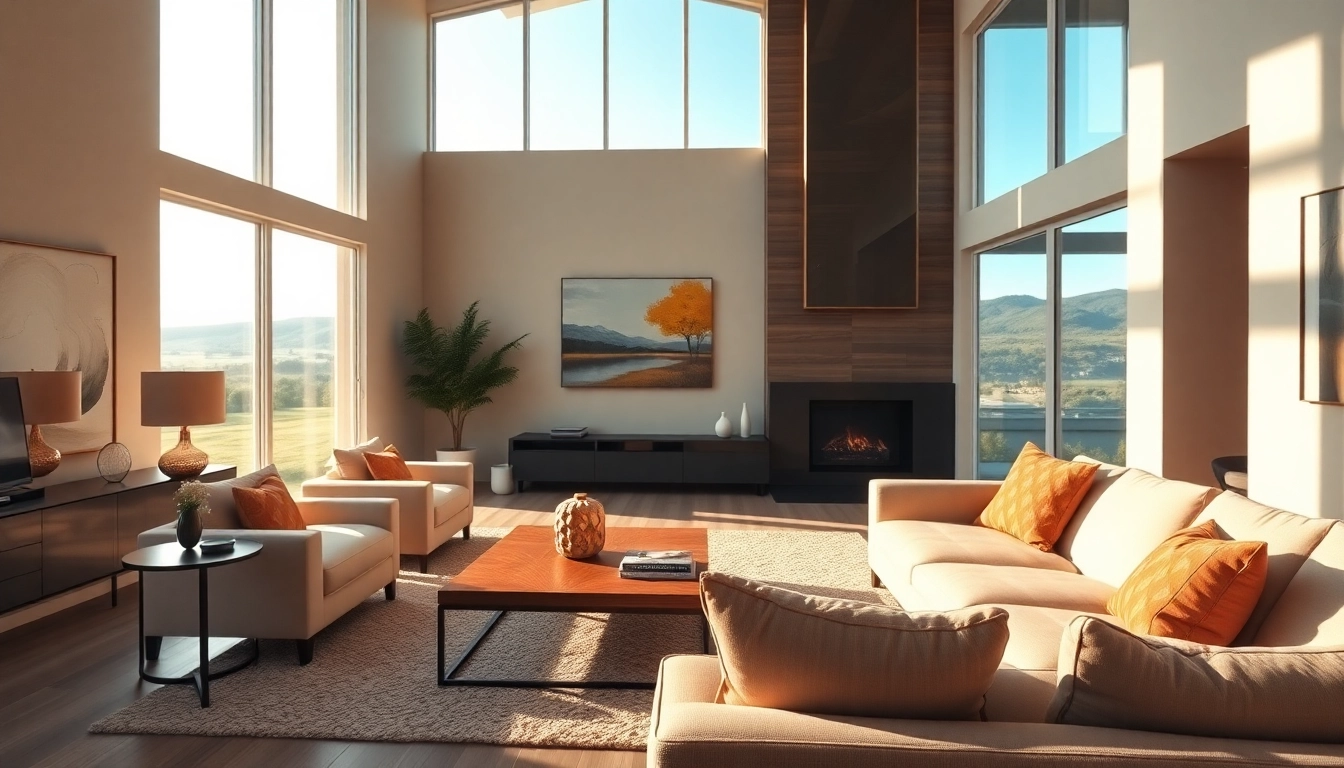
- Natural Light: Take advantage of natural light by shooting during the golden hour for softer, more flattering images.
- Diverse Angles: Capture each room from multiple angles to give a comprehensive view of the space.
- Aerial Photography: Employ drones for stunning aerial shots that showcase large properties or unique landscapes.
- Virtual Tours: Consider offering virtual tours alongside still images to give a more immersive experience.
Common Mistakes to Avoid When Photographing Properties
Even experienced photographers can make missteps when photographing real estate. Here are several common mistakes to avoid:
- Failing to remove clutter or personal items from the scene, which can detract from the property’s appeal.
- Using harsh artificial lighting that creates unflattering shadows and colors.
- Neglecting to show important features, such as outdoor spaces or unique architectural details.
- Not using a tripod, leading to blurry images in low-light conditions.
- Underestimating the power of editing; post-processing can significantly enhance images.
Techniques and Best Practices for Real Estate Photography
Mastering specific techniques and best practices is crucial for achieving the highest quality in real estate photography. This section will explore how to incorporate light, composition, and innovative technology effectively.
Understanding Lighting Conditions
Understanding natural and artificial light is essential for any photographer. Here’s how to maximize lighting during property shoots:
- Always evaluate the lighting situation before starting to shoot; adjust your time of day accordingly.
- Consider the direction of the light; shooting during early morning or late afternoon often yields the best results.
- Use reflectors to bounce light into darker areas to avoid unflattering shadows.
- Experiment with using flashes in dark areas, but ensure that the lighting remains soft and even.
Composition Tips for Interior Photography
Effective composition can dramatically enhance interior photography. Consider the following tips:
- Use the rule of thirds to create balance; avoid centering everything in the frame.
- Incorporate leading lines, such as hallways or architectural features, to guide the viewer’s eye.
- Include elements such as doors or windows to create depth and interest.
- Avoid distortion; wide-angle lenses can create unintended perspectives if not used carefully.
Utilizing Drone Photography for Aerial Views
Drone technology has revolutionized real estate photography by providing unique aerial views. Benefits include:
- Capturing large properties in their entirety, which ground photography may miss.
- Providing context, such as proximity to major landmarks or natural features.
- Creating engaging promotional content that can stand out in online listings.
Market Trends and Customer Expectations in Real Estate Photography
Staying updated with current market trends can help photographers maintain a competitive edge. Understanding customer expectations also dictates how photographers approach their work.
Current Trends in Real Estate Photography
Trends are continually evolving in real estate photography, necessitating ongoing education and adaptation. Some current trends include:
- High Dynamic Range (HDR) Imaging: This technique provides better detail in both highlights and shadows.
- Virtual Reality Tools: Immersive technologies are being adopted to enhance the viewing experience.
- Social Media Optimization: Photographers are tailoring images for social media formats to drive engagement.
- Sustainability Focus: Highlighting eco-friendly homes and green building practices is becoming more significant.
How to Stay Competitive as a Real Estate Photographer
To maintain a competitive advantage, consider implementing these strategies:
- Continuously update your portfolio with recent work to showcase your evolving style and skills.
- Network with local real estate agents to build relationships and gain referrals.
- Offer additional services such as virtual tours or floor plans to set yourself apart from competitors.
- Invest in ongoing education, attending workshops and seminars to stay updated with the latest photography techniques.
Client Expectations and Deliverables
Understanding what clients expect from their real estate photographer is crucial to building long-term relationships. Common expectations include:
- Timely delivery of high-quality images, typically within 24 hours.
- Clear communication throughout the process, from initial consultation to final delivery.
- A professional demeanor and appearance, reflecting the real estate market’s standards.
- Flexibility in accommodating specific client requests or changes during the shoot.
FAQs About Becoming a Real Estate Photographer
How Much Can a Real Estate Photographer Earn?
The average salary for a real estate photographer is approximately $53,000 per year, averaging across various markets. Earnings can significantly vary by location and level of experience.
What Equipment Do I Need to Start?
Begin with a DSLR or mirrorless camera, a wide-angle lens, a sturdy tripod, and essential editing software. This equipment forms the foundation of your photographic toolkit.
Is Real Estate Photography Worth It?
Investing in professional photography services enhances property listings, leading to quicker sales and potentially higher offers. The benefits usually outweigh the costs.
What Photography Techniques Work Best for Real Estate?
Utilizing natural lighting, wide-angle shots, and staging strategies significantly improves the visual appeal of property images, making them more attractive to prospective buyers.
How to Find Clients as a Real Estate Photographer?
Networking with local real estate agents, actively using social media platforms to showcase your work, and developing a strong portfolio are effective methods for attracting clients.